What Liability Insurance Means After a Waycross Crash
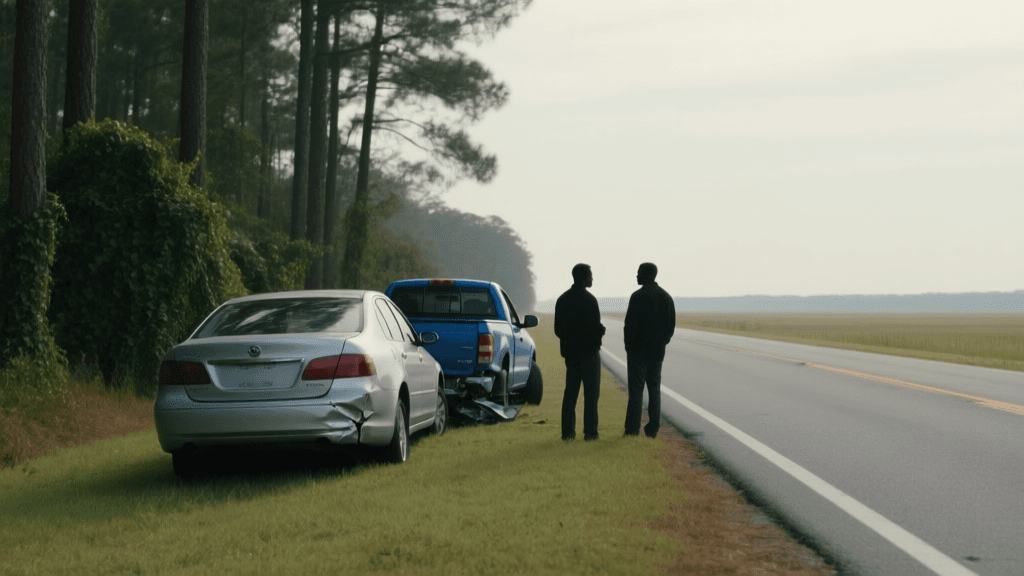
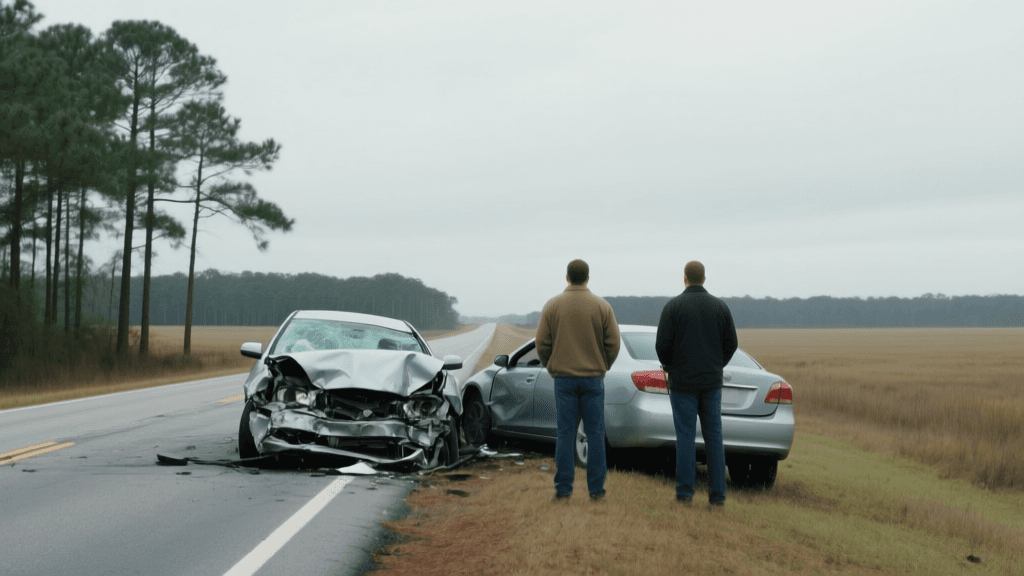
If you cause a collision in Waycross, liability coverage is the part of your auto policy intended to address covered injuries or property damage suffered by other people. It does not automatically pay to repair your own car or treat your own injuries. For example, if you rear-end another vehicle on a busy stretch of Memorial Drive, your insurer may investigate and, if you are legally responsible, handle covered claims from the other driver and passengers. The exact response depends on the crash facts, policy wording, exclusions, and available limits. Knowing which costs may be considered—and which are outside liability coverage—can help you make better decisions immediately after a collision.
How Georgia Liability Requirements Fit Into Your Policy
Georgia requires drivers to carry minimum liability coverage, commonly expressed as 25/50/25: up to $25,000 for bodily injury to one person, $50,000 for bodily injury per crash, and $25,000 for property damage per crash. These are minimum limits, not a promise that every claim will be fully paid. If several people are hurt, the per-person and per-accident limits both matter; if repair costs exceed the property damage limit, the remaining amount may not be covered by that liability portion. Drivers in Waycross should review their declarations page to confirm their actual limits rather than assume they have only the state minimum or remember a quote accurately.
Bodily Injury Liability May Pay for Others’ Covered Losses
Bodily injury liability may apply when another person claims an injury caused by your driving. Depending on the claim and policy, covered damages can include reasonable medical expenses, certain lost income, and other legally recoverable losses. An insurer typically reviews reports, statements, medical documentation, and the circumstances of the crash before deciding how to respond. Imagine a collision near a Waycross intersection where the other driver and a passenger both seek treatment: the insurer will assess each claim while applying the policy’s per-person and total per-accident limits. A claim is not automatically paid simply because someone reports pain, and the policy does not guarantee payment of every requested amount.
Property Damage Liability Covers Damage to Others’ Property
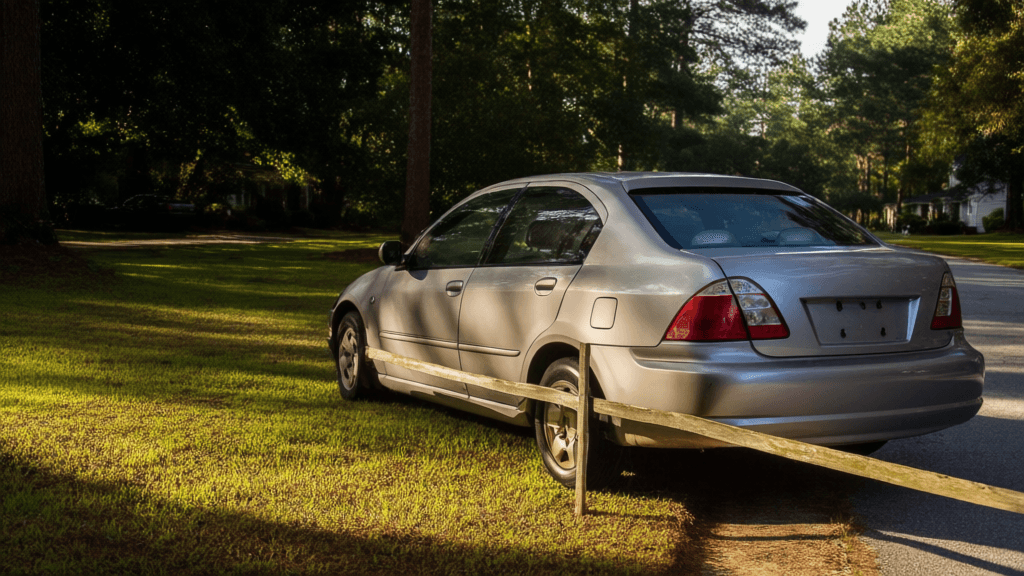
Property damage liability may help pay for covered damage you cause to someone else’s vehicle or property. A claim could involve another car, a fence, a mailbox, or other property affected by a crash. For instance, if a driver loses control on a wet road in Waycross and damages a parked vehicle and a fence, the insurer may investigate both losses and apply the property damage limit to covered amounts. Repair estimates, the vehicle’s value, and questions about responsibility can affect the evaluation. This coverage is for other people’s property; damage to your own vehicle usually requires collision coverage, subject to its deductible and terms.
Policy Limits Can Create a Coverage Gap
A policy limit is the most the insurer will pay for a covered category of loss, subject to the policy and claim evaluation. If the total covered damage is greater than the available limit, liability coverage may not pay the full amount claimed. A newer vehicle, multiple injured occupants, or damage to more than one property item can make minimum limits feel insufficient. The person found legally responsible may face demands for amounts beyond the policy’s available coverage, though the outcome depends on the facts and applicable law. When comparing coverage, consider the number of people who may be involved in a serious crash and the value of property that could be damaged, not just the price of the premium.
What Liability Insurance Generally Does Not Cover
Liability coverage is not a catch-all for every cost following an accident. It generally does not pay for repairs to your own car when you caused the crash; collision coverage may address that damage if you carry it. It also does not ordinarily pay for your own medical bills as the at-fault driver, although other coverages or health insurance may be relevant. Coverage can be affected by exclusions, who was driving, vehicle use, policy conditions, and whether the loss is connected to an insured vehicle. Do not assume an exclusion applies—or that a loss is covered—without reviewing the actual policy and discussing the claim with the insurer. Keep in mind that deductibles usually relate to first-party coverages, not the liability limit itself.
Practical Steps to Take After an At-Fault Collision
Steps That Can Help Keep the Claim Organized
- Check for injuries, contact emergency services when needed, and follow instructions from local authorities.
- Exchange required driver and insurance information, and gather names and contact details for witnesses when it is safe to do so.
- Photograph vehicle positions, visible damage, road conditions, and relevant surroundings without putting anyone at risk.
- Notify your insurer promptly and give a factual account; avoid guessing about details you do not know.
- Save claim numbers, estimates, receipts, and correspondence, and ask the insurer what documents are needed next.

Local Considerations for Drivers in Waycross
Waycross drivers use a mix of city streets and routes connecting Ware County communities, so a crash can involve anything from a low-speed parking-lot impact to a higher-speed roadway collision. Traffic, rain, visibility, and the presence of nearby businesses or parked vehicles can all affect what is damaged and what information investigators consider. People traveling between Waycross, Blackshear, and Homerville may also encounter different road conditions during one trip. After a crash, prioritize safety and follow law-enforcement directions; do not rely on assumptions about fault based only on where the vehicles ended up. Local conditions may shape the investigation, but policy language and the facts of the loss determine how insurance responds.
Review Your Coverage Before You Need to File a Claim
A useful policy review starts with the declarations page, which summarizes key coverages, limits, and deductibles. Confirm the bodily injury amount per person and per accident, the property damage limit, and whether collision or medical-related coverage is included. Then consider how you would manage costs if a serious accident caused losses beyond your liability limits or damaged your own vehicle. Ask an insurance professional to explain options in plain language and compare quotes using the same limits and deductibles; otherwise, a lower price may reflect less protection rather than a better value. Review the policy again after buying a vehicle, changing how it is used, or adding a household driver.
Next Steps After an At-Fault Crash
After a collision, report the incident to your insurer as directed by your policy, cooperate with the investigation, and keep copies of the information you provide. Ask which liability coverages are being considered, what limits apply, and whether the insurer needs additional records or statements. If you receive a demand or legal paperwork, notify the insurer promptly rather than setting it aside. For future protection, compare liability limits alongside collision and other available coverages, and check how each option changes the premium. Drivers in Waycross can use this review to make informed choices before another trip through town or along the roads connecting nearby communities.
Compare Auto Coverage Options
Review liability limits and related coverages to see which options fit your vehicle, budget, and risk concerns.
Get a Free Quote