What Rental Reimbursement Means
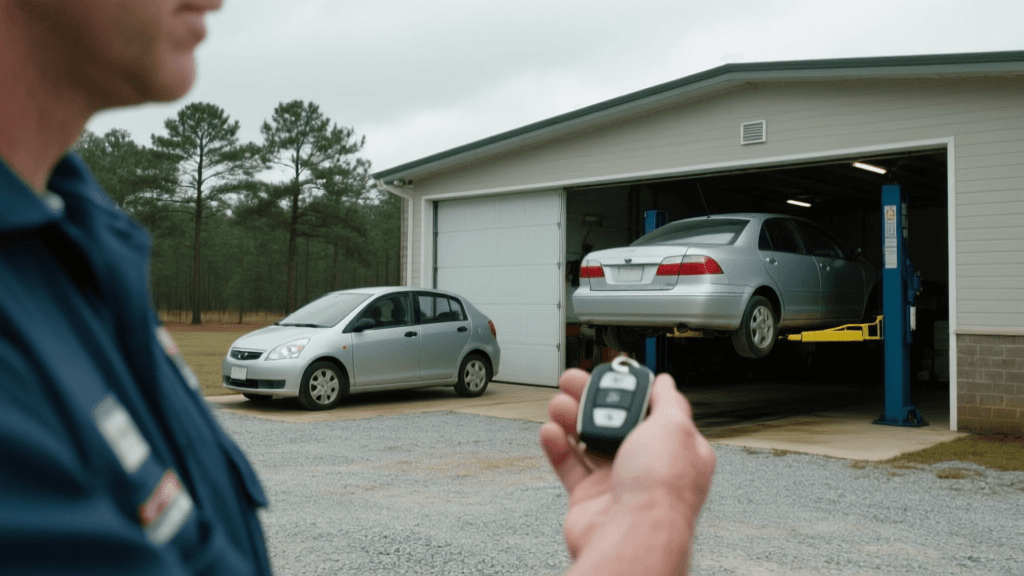
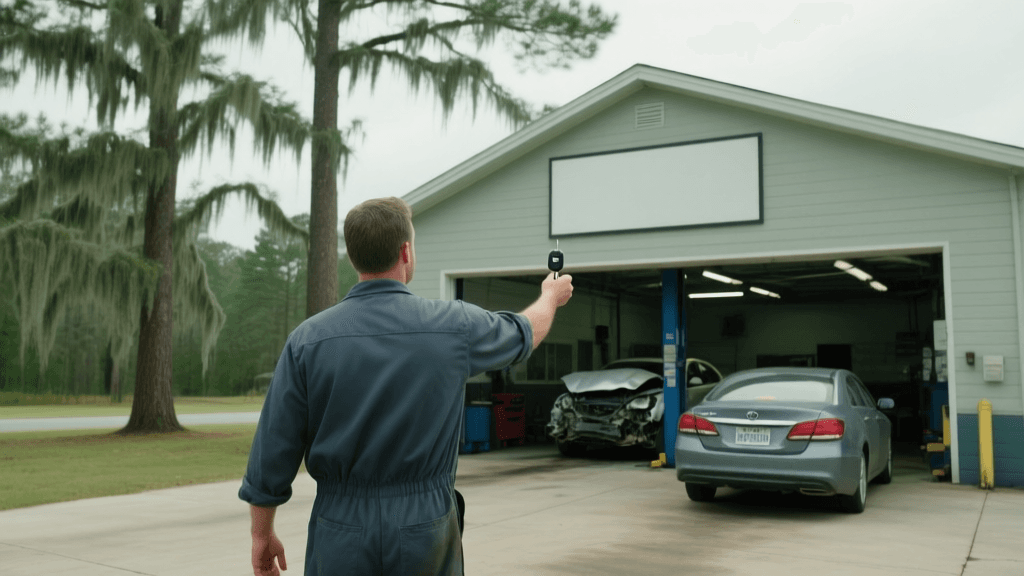
If a covered accident puts your car in the repair shop, getting to work, school, medical appointments, and everyday errands can quickly become difficult. Rental reimbursement is an optional auto insurance coverage that may pay eligible rental vehicle expenses while your insured car is being repaired after a covered claim. It is not automatically included in every policy, and it generally does not pay for a rental simply because your car needs maintenance or breaks down. For Waycross drivers, where daily travel may involve commuting along US 1 or US 82 and reaching services across Ware County, knowing whether this coverage is on the policy can make planning after a collision less stressful.
When Coverage Can Apply
The key question is whether the event that made your vehicle unavailable is covered by the policy. Rental reimbursement commonly applies when the insured vehicle is damaged in a covered collision or comprehensive loss, subject to the contract and claim decision. If another driver caused the crash, that driver's property damage liability coverage may be responsible for reasonable substitute transportation, but responsibility and timing can take time to resolve. Your own rental reimbursement, if purchased, may offer a route to eligible expenses under its terms while the claim proceeds. A mechanical failure, routine service appointment, or uncovered loss usually does not qualify. Confirm the cause of loss, coverage trigger, and authorization process with the insurer before booking.
Daily Limits and Maximum Benefits
Rental reimbursement usually has two limits: a maximum amount per day and a maximum amount for the entire claim. For example, a policy might allow a set daily amount until a separate total cap is reached; those figures are only examples, not standard Georgia limits. If the rental rate, taxes, fees, or optional upgrades exceed what the policy recognizes, you may owe the difference. A larger vehicle can cost more than a basic sedan, especially during busy travel periods or when availability is limited. Before reserving, ask which rental charges are eligible, whether the insurer has preferred rental arrangements, and whether the daily allowance includes taxes. Keep receipts and compare the quoted rate with your available benefit.
Waiting Periods and Repair Timing
A waiting period is a delay before rental expenses become eligible, if the policy includes one. The exact timing and the event that starts the clock vary by insurer and contract, so do not assume reimbursement begins the moment a collision occurs. Claim inspection, repair authorization, parts availability, and shop scheduling can also affect when a vehicle enters the repair process. In Waycross, a driver might need transportation while an adjuster evaluates damage or a repair facility waits for a part; whether those days qualify depends on policy language and claim circumstances. Ask when the covered rental period begins, whether there is a daily deductible or delay, and when benefits end. Get the answer documented through the claim representative.
What Expenses May Not Be Reimbursed
Rental reimbursement is not necessarily a blank check for every expense connected with a rental. The insurer may limit payment to a reasonable vehicle class and eligible rental charges, while fuel, deposits, tolls, late returns, cleaning fees, optional insurance products, and upgrades may remain your responsibility. Coverage may also stop when repairs are complete, when the vehicle is declared a total loss under the insurer's rules, or when the policy's maximum benefit is exhausted. A rental company may require a credit card or deposit even if an insurer is paying eligible charges directly. Before accepting the keys, review the rental agreement and ask the claims handler what is covered, what must be paid upfront, and how reimbursement claims should be submitted.
How to Use the Benefit Smoothly
A few practical checks can prevent confusion once a claim is underway. First, report the loss promptly and ask whether rental reimbursement appears on the policy and whether the damage qualifies. Next, confirm the daily and total caps, any waiting period, the approved rental class, and the process for direct billing or reimbursement. If you pay first, save the rental contract, itemized receipts, and claim communications. Avoid extending the rental without checking whether repairs remain authorized and benefits are still available. If the shop says the vehicle is ready, ask the claims representative when coverage ends and arrange the return accordingly. These steps help Waycross drivers keep transportation plans aligned with the actual policy rather than assumptions.
Considerations for Waycross and Nearby Communities
Waycross serves as a regional center for residents traveling from communities such as Blackshear, Alma, Folkston, Homerville, Nahunta, and Hoboken. When a household depends on one vehicle for work, school, or appointments, even a short repair delay can disrupt more than a single trip. Drivers who travel beyond town for work or family needs may also want to consider whether a basic rental allowance will fit their routine and the vehicle they need. Rental availability and prices can vary, so a locally convenient pickup is not guaranteed. Think through how long you could manage without your car, whether another household vehicle is available, and what transportation alternatives exist. Those details can help you choose limits that match your actual needs.
Key Details to Check Before a Claim
Rental Reimbursement Checklist
- Verify that rental reimbursement is included; it is commonly optional and may not appear on every auto policy.
- Check both the per-day allowance and the total claim maximum, then compare them with realistic local rental prices and fees.
- Ask what covered losses trigger the benefit, when eligible days begin, and what event ends payment.
- Confirm whether the insurer offers direct billing or requires you to pay first and submit itemized receipts.
- Review which charges and vehicle classes qualify, and budget for deposits, fuel, upgrades, or other excluded costs.

Choosing Coverage and Planning Next Steps
If you are reviewing auto insurance in Waycross, ask for the rental reimbursement options available and compare the added premium with the transportation costs you might face after a covered loss. Read the declarations page for the selected limits, then consult the policy wording for eligibility, waiting periods, exclusions, and benefit duration. Do not rely on a rental company's description or assume that another driver's insurer will immediately arrange a vehicle. During a claim, contact the insurer before making a reservation whenever possible and keep written records of instructions. Coverage details differ by insurer and policy, so a representative can explain the terms that apply to your specific contract. Planning ahead is simpler than trying to interpret limits while your car is already in the shop.
Review Your Transportation Protection
Compare available rental reimbursement options and confirm the limits and claim terms that fit your driving needs.
Get a Free Quote