What Full Glass Coverage Means for Waycross Drivers
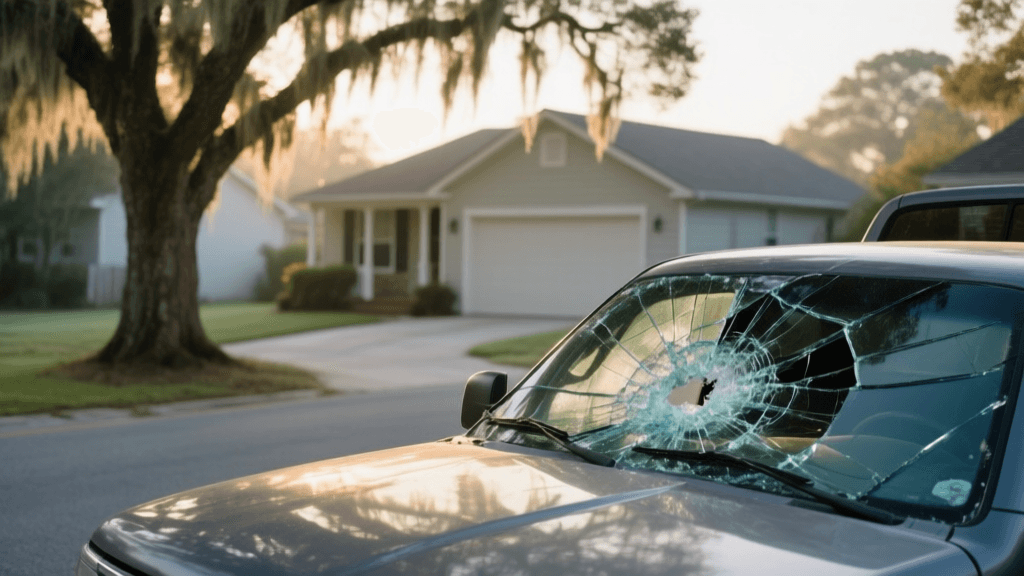
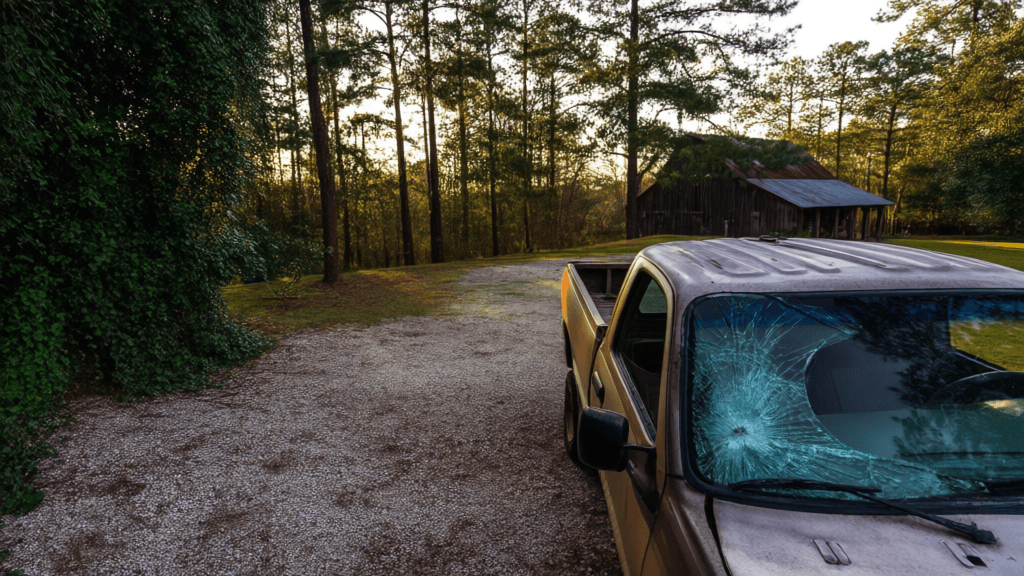
A windshield chip can happen in seconds: a vehicle ahead kicks up a small stone on a local road, or temperature changes cause an existing crack to spread. Full glass coverage is an optional policy benefit that may pay for repairs or replacement of covered vehicle glass, sometimes without applying the comprehensive deductible. The exact protection depends on the insurer and the policy wording; the phrase “full glass” does not guarantee that every pane or circumstance is covered. For drivers in Waycross, understanding the benefit before damage occurs makes it easier to decide whether to file a claim, arrange a repair, or pay out of pocket. This guide explains the terms and questions worth checking.
How Glass Coverage Fits Into an Auto Policy
Glass damage is commonly handled under comprehensive coverage, which generally applies to certain losses not caused by a collision, subject to the policy’s terms and deductible. A separate full glass option may change how that deductible applies to eligible glass claims. For example, a policy could cover a windshield chip repair with no deductible while still requiring a deductible for replacement, or it could waive the deductible for both. These are examples, not universal rules. In Waycross, check the declarations page and glass endorsement, and ask how side windows, rear windows, sunroofs, and specialty glass are treated. Also confirm whether a claim affects any applicable claim-free discount or other policy feature.
Which Glass May Be Covered?
Windshields are the most familiar glass claim, but the policy may also address side windows, rear windshields, and glass panels in a sunroof or moonroof. Coverage can differ by vehicle and policy, especially for panoramic roofs, specialty materials, aftermarket accessories, or damage involving trim and sensors. The cause matters too: a rock strike may be treated differently from damage during a collision, vandalism, or an excluded event. Before authorizing work, ask whether the damaged part is included, whether replacement parts must meet particular standards, and whether related labor is covered. A Waycross driver with a broken side window should also ask whether the policy covers temporary measures to secure the vehicle while waiting for a permanent repair.
Repair or Replacement: How the Decision Is Made
A technician may be able to repair a small chip or short crack when the damage is limited, the glass is otherwise sound, and the location does not interfere with the driver’s clear view. Repair typically preserves the original windshield and may cost less than replacement, but it cannot always make the mark disappear completely. A long crack, damage near an edge, or an impact in a critical viewing area may call for replacement instead. The safe option depends on the damage and the vehicle, so an experienced glass professional should inspect it. If you commute around Waycross or regularly travel toward Blackshear or Folkston, address damage promptly; vibration, road conditions, and weather can make a small defect spread.
Deductibles, Claims, and Out-of-Pocket Costs
Before booking service, compare the estimated repair or replacement cost with the deductible that would apply to your specific claim. If a chip repair costs less than the deductible, paying directly may be simpler, while a full glass benefit could make an eligible repair economical to claim. Do not assume a zero-deductible rule applies to every type of glass or every repair provider. Ask the insurer whether it requires notice or approval, whether you can choose a qualified shop, and how payment is handled. Keep photographs of the damage, the service estimate, and claim communications. A clear record helps if the damage grows or a repair does not hold, and it helps you understand what the policy paid.
Windshield Replacement and Camera Calibration
Many newer vehicles have advanced driver-assistance systems, or ADAS, with a camera or sensor mounted at or near the windshield. Replacing the glass can affect the position or view of that equipment, so the vehicle may need static or dynamic calibration after installation. Calibration aligns the system with the vehicle and manufacturer specifications; it is not simply an optional convenience. Ask whether your vehicle requires it, who will perform it, and whether the estimate includes the procedure and any necessary documentation. Coverage for calibration varies, so confirm how it is handled before work begins. This is especially important when comparing a low glass estimate with a more complete quote that includes sensor-related work.
Local Considerations Around Waycross
Waycross drivers use a mix of town streets and routes connecting communities such as Blackshear, Hoboken, Nahunta, and Folkston. Road debris, heavy traffic near work zones, and frequent regional driving can all make prompt windshield attention worthwhile. Warm weather and sudden temperature shifts can also put stress on a chip, particularly when a vehicle moves between direct sun and air conditioning. If damage occurs, park safely, avoid pressing on the glass, and use a temporary protective measure only if it does not obstruct visibility or create a hazard. When arranging service locally, ask how long the repair will take, whether the vehicle must remain stationary afterward, and whether mobile service is available for your location.
Questions to Ask Before Choosing a Glass Service
A Practical Checklist
- Confirm whether your policy covers the damaged glass and whether a separate full glass endorsement applies.
- Ask what deductible applies to a repair versus a full replacement, and whether the insurer needs to authorize the work first.
- Find out whether the proposed repair is appropriate for the damage location and whether replacement is needed for safe visibility.
- For vehicles with cameras or sensors, confirm that required ADAS calibration is included and documented.
- Ask whether parts, moldings, labor, disposal, and any temporary vehicle-security measures are included in the estimate.

Next Steps for Comparing Coverage
If you are comparing auto insurance in Waycross, review glass protection alongside comprehensive coverage, deductibles, and the vehicle’s equipment. Ask for the full-glass terms in writing and compare how each option treats repairs, replacement, non-windshield glass, and calibration. If damage has already happened, photograph it, check the policy before authorizing non-emergency work, and obtain an itemized estimate from a qualified glass professional. Do not drive if the windshield damage blocks your view or the vehicle is otherwise unsafe. A coverage comparison is most useful when it reflects your actual vehicle and driving habits, including regular trips between Waycross and surrounding communities.
Review Your Glass Coverage Before You Need It
Compare policy terms, deductibles, and calibration provisions to understand how a glass claim may be handled.
Get a Free Quote