What a Full Glass Deductible Means
A full glass deductible generally means that a qualifying glass claim has no deductible, so the insurer may pay the covered repair or replacement cost without requiring you to pay the comprehensive deductible first. The exact benefit depends on the policy: some contracts waive the deductible for windshield damage only, while others include specified side or rear windows. In Waycross, where daily driving may include rural routes, highway travel, and trips through areas with loose gravel or debris, a chip can become a larger crack quickly. “Full glass” is a coverage feature, not a guarantee that every glass-related expense is covered. Check the declarations page and policy wording for eligible glass, repair limits, exclusions, and whether the feature applies to replacement as well as repair.
How Glass Claims Fit Under Comprehensive Coverage
Comprehensive coverage typically addresses damage to your vehicle from events other than a collision, subject to the policy terms and deductible. Falling branches, vandalism, hail, and many windshield losses may be handled under comprehensive coverage, but a claim involving a crash with another vehicle may instead fall under collision coverage. With a standard comprehensive deductible, you pay the deductible amount toward an approved claim and the insurer covers eligible costs above it, up to applicable limits. For example, if a covered replacement costs less than your deductible, using insurance may not reduce your bill. Georgia drivers should review their own contract rather than assume every glass loss receives a special waiver, because insurers can offer different options and definitions.
Full Glass Coverage Versus a Standard Deductible
The practical difference is what you may owe when covered glass is damaged. Under a standard comprehensive deductible, your share is usually the deductible shown on the policy, even when the damage is limited to a windshield. Under a full glass option, the deductible may be waived for eligible work, although the benefit can be restricted by glass type, repair method, or claim circumstances. A separate low glass deductible is another possible arrangement; it reduces the amount you pay but does not necessarily make the claim free. Compare the added premium with the deductible you would otherwise face and consider how often you drive on routes where debris is common. The right choice depends on your budget, vehicle, and tolerance for an unexpected repair bill.
Read the Policy Wording Before You Choose
Ask what the insurer means by “full glass.” Does the waiver apply only to the windshield, or to all windows? Is a chip repair treated differently from a complete windshield replacement? Does the policy require use of a particular repair network, and are original-equipment or compatible replacement parts covered? Also check whether calibration of advanced driver-assistance systems is included when a camera is mounted near the windshield. A replacement may require calibration, and the treatment of that cost can depend on policy language and claim approval. Confirm whether a claim affects your claims history or renewal terms; the answer can vary by insurer and circumstances. Get important answers in writing or keep a copy of the coverage explanation with your policy documents.
What to Do When a Windshield Is Damaged
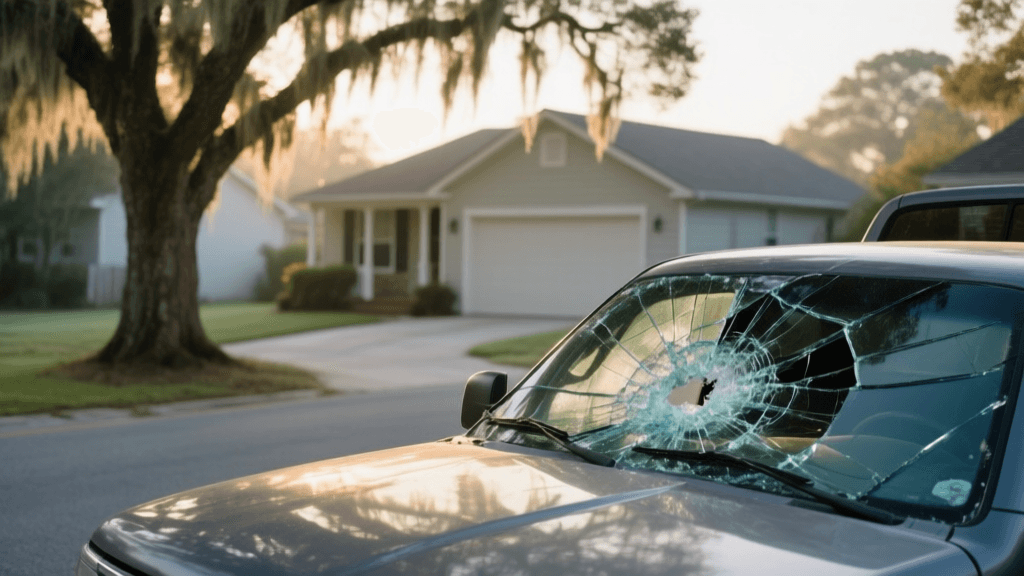
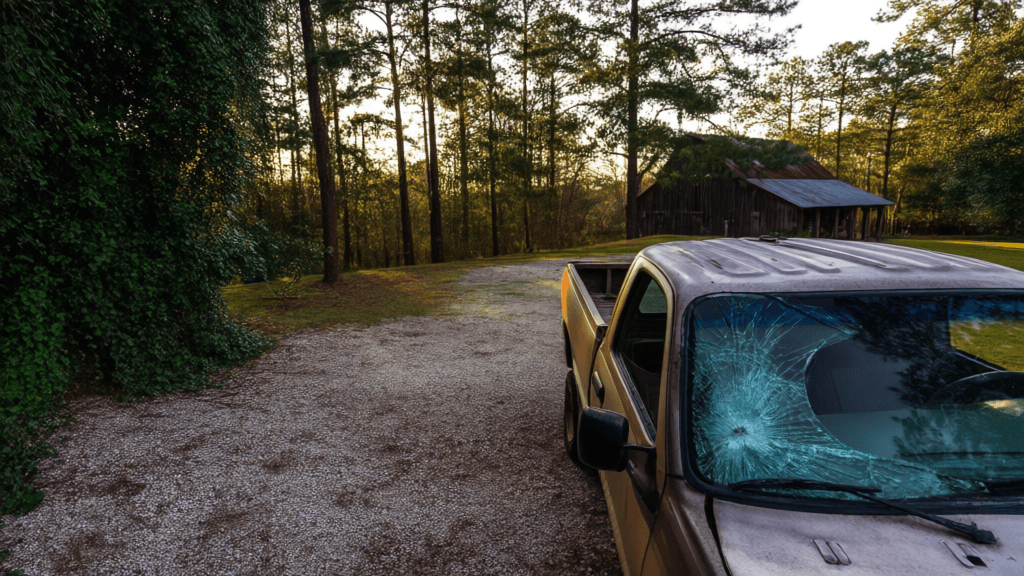
First, assess whether the damage affects visibility or makes the vehicle unsafe to drive. Avoid pressing on a crack, and protect the area from sudden temperature changes when practical, since heat, cold, and vibration can make damage spread. Photograph the glass and note when and where the damage occurred. Then review your declarations page and contact the insurer or its claims service to ask whether the damage qualifies for a waiver, what repair options are approved, and whether preauthorization is needed. Before committing to work, request an estimate that identifies glass, labor, and any required sensor calibration. Compare the expected bill with your deductible and confirm who will submit the claim; a repair provider’s process does not replace checking your own policy obligations.
Local Considerations for Waycross Drivers
Waycross drivers may travel between town, work sites, and nearby communities such as Blackshear, Homerville, Nahunta, and Folkston, where trip lengths and road conditions can differ. Regular highway mileage, construction areas, tree-lined roads, and seasonal storms can all increase exposure to debris or falling material, though no single route guarantees a glass claim. If a vehicle is parked outdoors, consider where it sits during severe weather and check for damage after a storm. Drivers in Ware County should also think about how quickly they can arrange a safe repair if a crack obstructs their view. Coverage terms do not change just because a trip crosses a nearby community, but repair availability and travel time can influence how promptly a driver addresses damage.
A Practical Coverage Checkup
Questions to Ask Before Selecting Glass Coverage
- Confirm whether the glass deductible waiver covers windshield repair, windshield replacement, and side or rear windows, because the listed benefit may apply differently to each.
- Compare the annual premium for full glass coverage with the standard comprehensive deductible and a realistic estimate for the glass work your vehicle may need.
- Ask whether advanced driver-assistance system calibration, moldings, and related labor are included when a windshield is replaced.
- Find out whether the insurer requires an approved repair network, advance claim approval, or specific documentation before work begins.
- Check how the policy treats glass damage caused during a collision, vandalism, a storm, or another event, since coverage categories can differ.

Next Steps: Compare the Cost and the Coverage
When comparing auto policies, look beyond the phrase “full glass” and request the specific deductible, covered windows, repair rules, and replacement terms. For a fair comparison, use the same vehicle information and liability limits, then compare comprehensive premiums with and without the glass option. If your current windshield is damaged, ask the insurer whether it is better to repair promptly and how a claim would be handled before authorizing work, unless immediate safety concerns require action. Keep the estimate, photographs, claim reference, and written coverage answers together. This approach helps drivers in Waycross and nearby communities understand likely out-of-pocket costs without assuming that every glass claim is free or that all insurers define the benefit the same way.
Review Your Glass Coverage Before You Need It
Compare deductible choices and policy wording so you know what a windshield claim could cost.
Get a Free Quote