Start With Safety and Make a Clear Record
A crash involving a driver who has no insurance can quickly become stressful, but your first priorities in Waycross are the same as after any collision: check for injuries, move out of danger if it is safe, and call 911 when anyone needs medical help or traffic is blocked. Do not leave the scene before fulfilling legal duties. Exchange names, contact details, vehicle information, and the other driver's explanation, but avoid arguing about fault. If the driver says they are uninsured, treat that as information to verify rather than a final determination. Write down the time, exact location, direction of travel, road and weather conditions, and what happened while the details are fresh.
Why Early Documentation Matters in Waycross
An uninsured motorist claim is generally a claim under your own policy, when you purchased applicable coverage, rather than a direct claim against an at-fault driver's liability insurer. Your insurer will need to investigate how the collision happened, which people and vehicles were involved, and what losses resulted. Delays can make it harder to locate witnesses, obtain nearby camera footage, or remember details such as the other vehicle's route. In and around Waycross, incidents may occur on busy local streets, near commercial areas, or on rural roads where there are fewer witnesses. Preserve what you can promptly, and ask businesses or property owners about footage before routine recording systems overwrite it.
Collect Evidence at the Scene
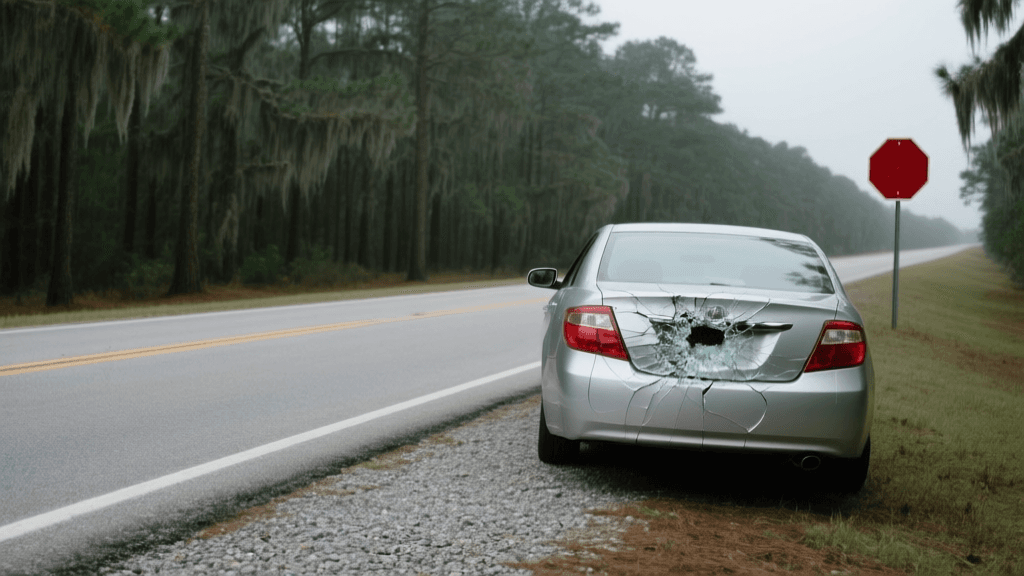
If it is safe, take wide photographs showing the vehicles in relation to the road, then close images of damage, license plates, debris, skid marks, traffic controls, and visible injuries. Photograph the other driver's identification and insurance information if available, but do not put yourself in traffic to get a picture. Get names and phone numbers for witnesses and note where they were standing or driving. A police report can provide an independent record, though it does not by itself decide legal fault or guarantee coverage. Request the responding agency's report number and ask how to obtain a copy. Keep original files and avoid editing images; record the date and time they were taken.
Get Medical Care and Keep a Treatment Timeline
Some injuries become noticeable hours or days after a collision, so seek medical evaluation when symptoms appear and follow the advice of qualified health professionals. Tell providers when and how the crash occurred, and keep copies of visit summaries, bills, prescriptions, referrals, and work restrictions. A simple dated record of pain, limitations, missed work, and appointments can help you explain how the event affected daily life. Do not assume that an insurer will automatically receive all medical records, and do not send more private information than requested without understanding why it is needed. If symptoms are severe or worsening, prioritize urgent care over claim paperwork.
Notify Your Insurer and Ask Focused Questions
Contact your insurer or agent promptly using the number on your policy documents or insurance card. Report the collision accurately, identify the other driver as apparently uninsured, and provide the date, location, report number, vehicle details, and known injuries. Ask which coverages may apply, what notice deadlines and proof requirements appear in your policy, and whether the claim is being handled under uninsured motorist bodily injury, property damage, collision, or another coverage. These protections are not interchangeable, and policy terms, limits, deductibles, and state rules matter. Request the claim number, adjuster's contact information, and a written list of documents needed. Keep notes of calls, including dates, names, and agreed next steps.
Understand Georgia Coverage and Policy Conditions
Georgia drivers should review the policy declarations page and the full uninsured motorist endorsement, because the available protection depends on what was selected and the wording in force. Georgia law provides options for uninsured motorist coverage, including different ways coverage limits may be structured; the specific selection can affect how benefits coordinate with an at-fault driver's available liability insurance. Do not assume that every policy has the same limit, deductible, or property-damage terms. Ask the insurer to explain the applicable provisions in writing and identify any notice, cooperation, examination, or documentation requirements. For a disputed coverage question, a Georgia-licensed insurance professional or attorney can explain options based on the actual policy and facts.
Keep Repair, Rental, and Claim Records Organized
Before authorizing repairs, ask the adjuster how the vehicle inspection will be arranged and whether photographs or an estimate are needed. Keep estimates, final invoices, towing and storage receipts, rental-car records, and written communications together. If the vehicle is not safe to drive, document why and follow reasonable instructions about where it can be inspected or stored. Do not discard damaged parts or personal property until the insurer says they are no longer needed. A repair estimate is not necessarily the final claim decision, and supplements may be needed if a repair shop finds hidden damage. Save copies of every item you submit and note the date and method of delivery.
Local Considerations for Waycross and Nearby Roads
Waycross drivers may travel between town, residential areas, and rural routes across Ware County, where lighting, traffic volume, and access to witnesses can vary by location. Be precise when recording the crash site: identify the road, nearest intersection or landmark, travel direction, and any nearby business or property that may have relevant footage. If the collision happened outside Waycross, record the actual municipality or county rather than relying on a mailing address. Drivers coming from Blackshear, Homerville, Nahunta, or Hoboken may also need to coordinate with a different responding agency depending on where the crash occurred. Local details help the insurer and authorities locate records and understand the scene.
Practical Claim Checklist
Actions to Take After the Crash
- Protect people first by calling 911 when needed and moving to a safe place without putting yourself in traffic.
- Record driver, vehicle, witness, location, and report details; photograph the scene and damage when it is safe.
- Seek medical evaluation for symptoms and keep dated records of appointments, bills, medication, and work effects.
- Notify your insurer promptly, ask which coverage applies, and confirm deadlines and required documents from your policy.
- Save estimates, receipts, claim correspondence, and copies of everything submitted; follow up on unresolved requests.

What to Do Next
Once the claim is open, respond to reasonable information requests, but read forms carefully before signing and ask what a release covers. Keep communication factual and consistent, and tell the adjuster if you discover new damage, receive additional medical care, or learn that the other driver's insurance status has changed. Ask for explanations of decisions, coverage limits, and any unresolved documentation in writing. If the claim is delayed or disputed, review the policy, maintain a dated contact log, and consider guidance from a qualified Georgia insurance professional or attorney. For future protection, compare policy options and limits before renewal so you understand the coverage available if another uninsured driver causes a loss.
Review Your Auto Coverage Before You Need It
Compare uninsured motorist options and policy limits to understand how your coverage may respond after a crash.
Get a Free Quote