What Uninsured Motorist Coverage Can Do
A crash can become more complicated when the driver who caused it has no auto insurance to pay for injuries or damage. Uninsured motorist coverage, often shortened to UM, is an optional part of many auto policies that may help cover certain losses when an at-fault driver lacks applicable liability insurance. For Waycross motorists, it can be useful to understand this protection before a collision occurs, rather than trying to interpret policy language on the roadside. The coverage is not a promise to pay every expense: the policy’s definitions, exclusions, limits, and claim requirements determine what may be covered. This overview explains the main choices and questions to review.
Why Coverage Choices Matter in Georgia
Georgia requires drivers to meet minimum financial responsibility requirements, but a legal minimum does not guarantee that every driver carries insurance or has enough coverage to address the full cost of a serious crash. A policy can lapse, a vehicle may be uninsured, or an insurance dispute may complicate recovery. Georgia insurers generally must offer uninsured motorist coverage, and drivers can choose whether to accept or reject it in writing, subject to applicable state rules. State law also provides different ways UM coverage may apply in relation to an at-fault driver’s liability coverage. Because policy forms and choices can vary, Waycross drivers should confirm the exact selection on their declarations page instead of relying on a quote summary or memory.
Understand Your UM Coverage Type
Georgia policies may offer uninsured motorist coverage on a reduced-by basis or an added-on basis, depending on the policy and the selection made. Reduced-by coverage generally accounts for amounts available from the responsible driver’s liability insurance when determining what remains payable under UM coverage. Added-on coverage may provide a different calculation, potentially allowing UM limits to apply in addition to the other driver’s liability limits, subject to the policy and Georgia law. For example, if a crash causes substantial covered injury losses and the at-fault driver has limited insurance, the selected UM structure can affect how the available limits are calculated. Ask the insurer to explain the option using a clear example and verify the chosen type in writing.
Compare Limits With Potential Losses
A coverage limit is the maximum amount a policy may pay for a covered claim, subject to its terms. UM limits are commonly presented as per-person and per-accident amounts for bodily injury, and property damage may have a separate limit or deductible. The numbers should be read together: a per-person limit caps payment for one injured person, while a per-accident limit can cap the total for everyone injured in the same event. Consider how quickly emergency care, follow-up appointments, missed work, or vehicle repairs can add up. A driver who mainly compares premiums may overlook the difference between a lower and higher limit. Review available options with an insurance professional and ask how limits apply to each vehicle and each person insured.
Know What the Policy May and May Not Cover
Uninsured motorist coverage may address eligible bodily injury losses and, when selected and included in the policy, certain vehicle damage caused by an uninsured driver. It does not automatically pay every expense or replace all other coverages. Collision coverage, for example, may help repair or replace your vehicle after a collision regardless of who caused it, subject to the deductible and policy terms. UM property damage rules and deductibles can differ, so check whether your policy includes that protection and how it coordinates with collision. Coverage also depends on circumstances such as who was using the insured vehicle, whether the person qualifies as an insured, and how the event is documented. Read exclusions and reporting deadlines, and ask questions about situations that are unclear.
Steps to Take After a Crash in Waycross
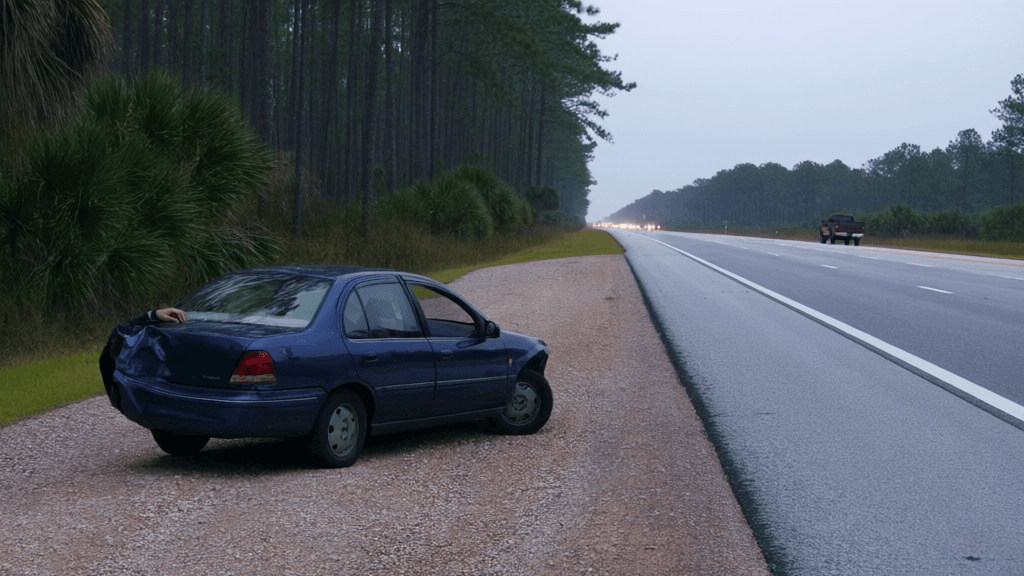
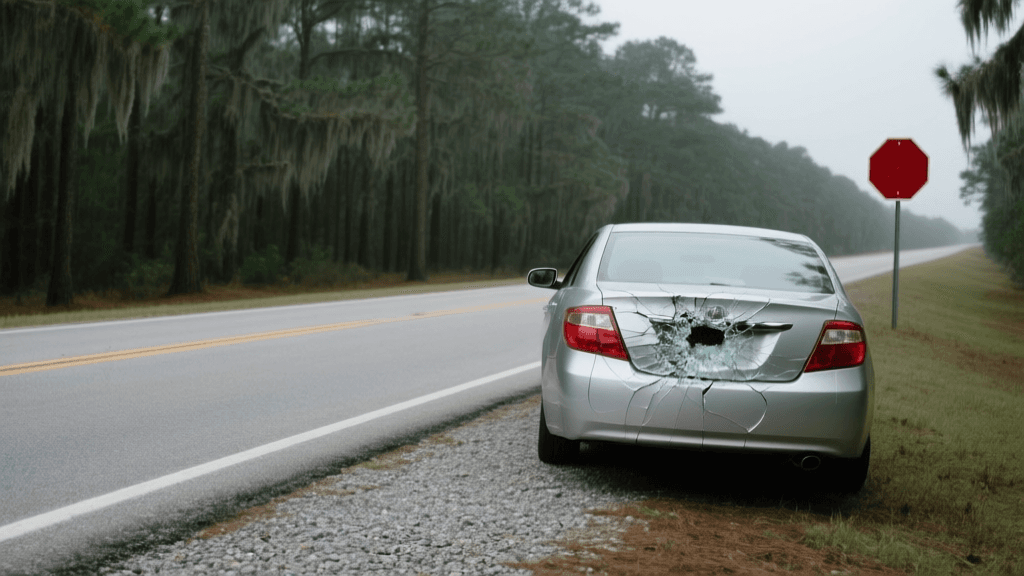
After a collision, first move to safety if possible and call 911 when anyone is injured, the scene is dangerous, or police assistance is needed. Exchange names, contact details, vehicle information, and insurance details, but do not assume a driver’s lack of an insurance card settles whether coverage exists. Photograph vehicle positions, damage, road conditions, and visible identifying details, and collect witness contact information. Seek medical attention promptly, even if symptoms seem minor, and keep records of treatment and related expenses. Notify your insurer as soon as practical and follow the policy’s instructions for reporting and cooperation. Avoid admitting fault or agreeing to a final settlement before understanding the facts and the full extent of injuries.
Local Considerations for Waycross Motorists
Waycross drivers travel on local streets as well as routes connecting the city with communities such as Blackshear, Alma, Folkston, Homerville, and Nahunta. A collision may happen during a daily commute, a longer trip, or travel between rural communities, where getting assistance and documenting the scene can take extra planning. Keep your insurer’s claims number and current policy information accessible, and make sure other household drivers know where those details are stored. If a crash occurs outside Waycross, the same policy may still apply, but police reporting, local circumstances, and the other driver’s insurance status can affect the claim process. Review your coverage before travel and keep your vehicle registration and proof of insurance current.
Policy Details Worth Checking
- Confirm whether uninsured motorist coverage is accepted or rejected and check that the selection is documented correctly.
- Identify the bodily injury limits per person and per accident, plus any separate property damage limit or deductible.
- Ask whether the policy uses reduced-by or added-on coverage and request a plain-language example of how a claim could be calculated.
- Check who qualifies as an insured, which vehicles are covered, and what notice or cooperation deadlines apply after a crash.
- Compare UM protection with collision coverage so you understand which coverage may address damage to your vehicle.

How to Review Your Coverage and Choose Next Steps
Start with the declarations page for each vehicle and locate the uninsured motorist coverage line, limits, and any listed deductible. Then compare the documents with your current needs: who regularly drives the car, whether household members are insured elsewhere, and how much financial risk you could manage after a serious injury or vehicle loss. Ask an insurance professional to explain the available limits, coverage type, exclusions, and premium difference without assuming that one option fits every driver. If you make a change, request updated policy documents and verify that the change took effect. This information is educational and not a legal interpretation of an individual policy; the complete contract and applicable Georgia law control a specific claim.
Review Your Uninsured Motorist Options
Compare your current policy’s UM type and limits with available options so you can make an informed coverage decision.
Get a Free Quote