Why Collision Coverage Matters When You Finance a Car
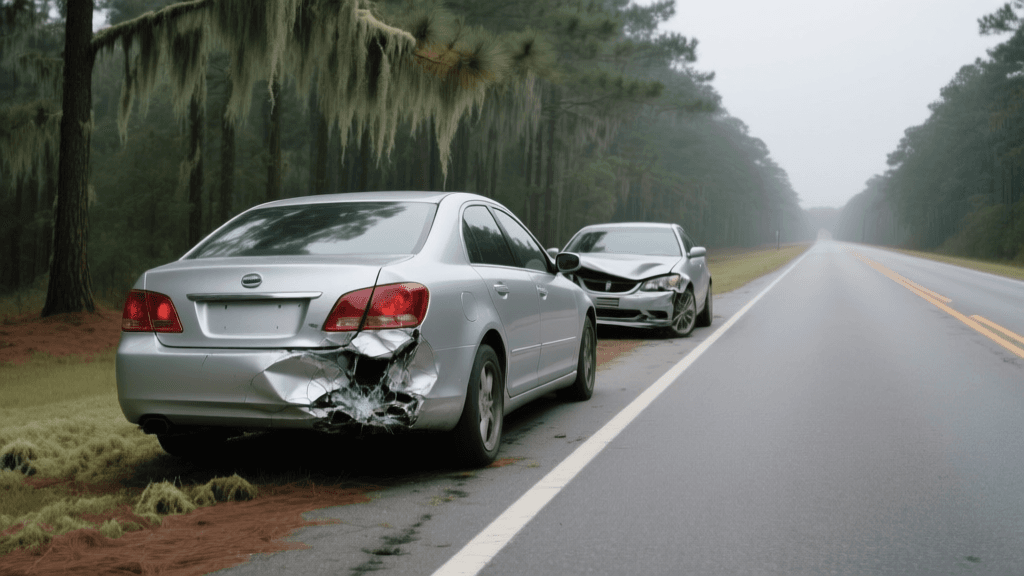
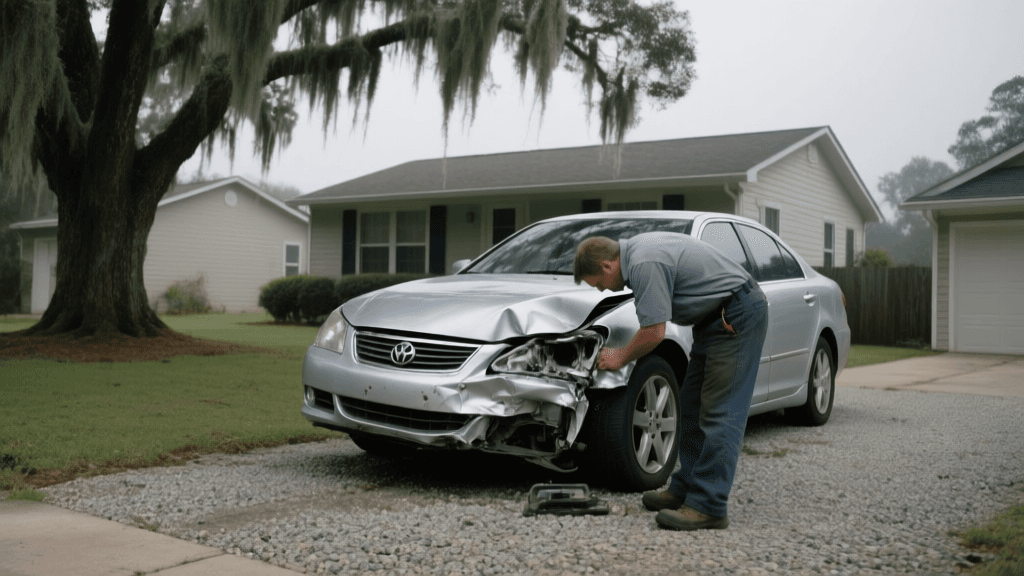
If you finance a car in Waycross, collision coverage is usually more than an optional protection choice: your lender will commonly require it for as long as the loan is outstanding. Collision insurance can help pay to repair your vehicle, or pay its covered value if it is declared a total loss, after it hits another vehicle or object or rolls over. Without it, you could still owe the lender even if the car is badly damaged and cannot be driven. This guide explains what to look for in your loan paperwork, how deductibles affect your costs, and when it makes sense to review the coverage.
What Collision Insurance Covers—and What It Does Not
Collision coverage generally applies to damage to your own car from a crash, whether you strike another vehicle, a guardrail, or another object, subject to your policy terms and deductible. It is different from liability insurance, which can cover injuries or property damage you cause to others, and from comprehensive coverage, which commonly addresses events such as theft, hail, falling objects, or animal impacts. A policy may include both collision and comprehensive coverage, and lenders often require both on a financed car. Coverage limits, exclusions, and claim handling vary by policy, so check the declarations page rather than assuming every incident is covered.
Check Your Loan Agreement and Insurance Instructions
Start with the retail installment contract, loan agreement, or lender’s insurance requirements. Look for language requiring comprehensive and collision coverage, the maximum deductible allowed, and instructions for listing the lender as a loss payee. A loss payee has a financial interest in claim payments because the vehicle secures the loan. If your insurer sends proof of coverage directly to the lender, confirm that the vehicle identification number, lienholder details, and policy dates are correct. Ask the lender what happens if coverage lapses; some lenders may purchase force-placed coverage, which can be costly and may protect the lender’s interest without providing the same protection for you.
Choose a Deductible You Could Actually Pay
The deductible is the amount you pay toward a covered collision claim before the insurer pays the remaining covered repair cost. A higher deductible can reduce the premium, but it also means you need more money available after a crash. For example, if repairs cost several thousand dollars and your deductible is $1,000, you would generally be responsible for that first $1,000, subject to the policy and claim decision. Compare deductible options alongside the premium, and consider whether you could pay the deductible without relying on a credit card or delaying essential repairs. Also check your lender’s maximum deductible requirement before selecting a higher amount.
Understand the Gap Between Your Loan and the Car’s Value
Collision coverage usually pays based on the vehicle’s actual cash value immediately before a covered loss, not the amount you originally paid or still owe. Actual cash value reflects factors such as age, mileage, condition, and local market prices, minus the deductible. If you owe more than that value, a total-loss settlement may not clear the loan; the remaining difference is often called negative equity. Gap coverage may help with some of that shortfall, but its terms, limits, and exclusions matter. Review the loan balance and a realistic estimate of the car’s current value periodically, especially after a large down payment, extra principal payments, or a change in the vehicle’s condition.
Reassess Coverage as Your Loan and Vehicle Change
While a lender has a lien on the car, it generally decides whether collision coverage must remain in place under the contract. Do not drop it simply because the car has lost value or because you have paid down much of the loan; first confirm that the lender has released its requirement and lien. Once the loan is paid off, compare the annual cost of collision coverage with the vehicle’s current value and the amount you could comfortably absorb if the car were totaled. A lower-value car may make a high premium and deductible less attractive, but a driver who depends on the vehicle for work may still value the financial protection. Revisit the decision at renewal and after major changes.
Local Considerations for Waycross Drivers
Waycross drivers may use their cars for daily commuting, errands, school trips, and longer drives through Ware County and nearby communities such as Blackshear, Alma, and Folkston. A collision can disrupt work and family plans even when the damage occurs close to home, so consider how quickly you could manage repairs or replace a vehicle. If you regularly travel regional roads or park in different settings, think about your driving habits and where the car is kept when evaluating deductibles and overall protection. Georgia insurance rules and your lender’s contract are separate considerations: meet the lender’s requirements, maintain the coverage required by state law, and verify details with your insurer rather than relying on general assumptions.
A Practical Coverage Review
- Read the loan agreement to confirm whether collision and comprehensive coverage are required, what deductible limits apply, and how the lender should be listed.
- Check the declarations page for the correct vehicle, lienholder information, coverage dates, and deductible amounts.
- Compare your remaining loan balance with a current estimate of the vehicle’s value, keeping in mind that a total-loss settlement may be lower than the loan balance.
- Choose a deductible that meets lender rules and that you could pay promptly after a covered claim.
- Before removing coverage, obtain confirmation that the loan is paid and the lender’s requirement has ended.

Next Steps: Confirm the Requirement and Compare Options
Gather your loan agreement, current insurance declarations page, vehicle details, and approximate loan payoff amount. Ask the lender to clarify any unclear coverage or deductible requirement, then ask an insurance professional to explain available collision options and how different deductibles affect the premium. If the car is totaled, ask how the policy determines actual cash value and whether any gap protection applies. Keep confirmation of a paid-off loan and lien release before requesting a coverage change. Comparing choices with the same limits and deductibles makes it easier to see meaningful price differences and decide what fits your budget and the way you depend on your car in Waycross.
Review Your Financed-Car Coverage
Compare collision coverage options and confirm that your policy meets your lender’s requirements.
Get a Free Quote