What a Collision Deductible Means for Waycross Drivers
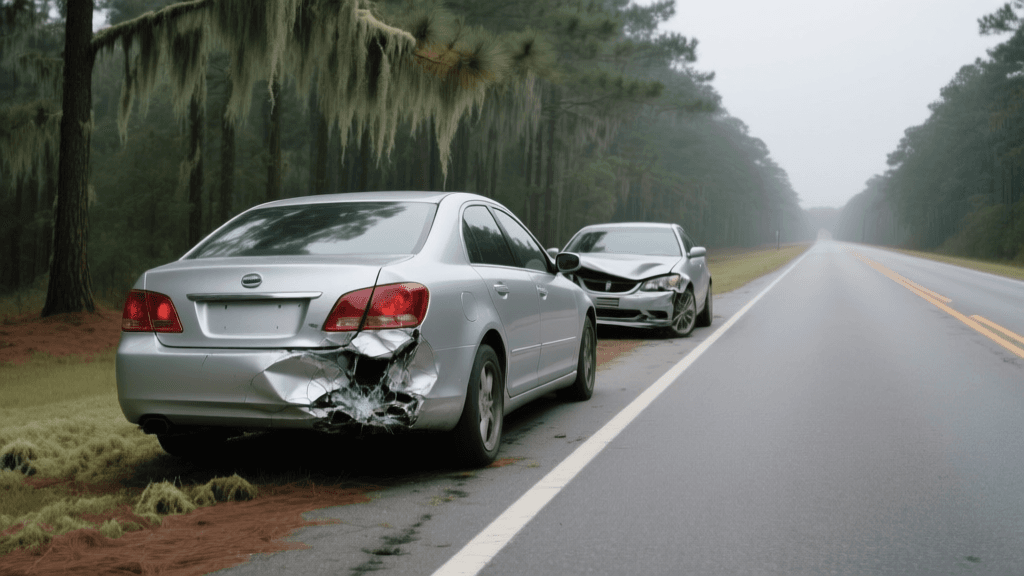
A collision deductible is the amount you generally pay toward a covered repair before your collision coverage contributes. If a crash damages your car near downtown Waycross or on a rural road in Ware County, the deductible can determine how much of the repair bill comes from your own pocket. Choosing a lower deductible may reduce that immediate burden, but it often comes with a higher premium. A higher deductible may lower the premium while requiring more cash after a claim. This guide explains how to weigh those costs against your vehicle’s value, repair needs, and available savings.
Why Deductible Decisions Depend on Your Vehicle
The right deductible is not the same for every vehicle or household. A newer car with expensive sensors, cameras, or specialized parts may have costly repairs even after a relatively minor collision. An older vehicle may be cheaper to fix, but its market value could be low enough that a large repair bill approaches what the car is worth. In Waycross, drivers may use their vehicles for daily commuting, school runs, and longer trips toward Blackshear or Alma, so reliable transportation can matter as much as resale value. Consider both the likely repair expense and how difficult it would be to cover the deductible quickly.
How a Collision Claim Payment Is Generally Calculated
For a covered collision claim, the insurer generally assesses the damage and determines an eligible repair amount under the policy, then subtracts the deductible. For example, if approved repairs total $3,200 and the deductible is $500, the payment may be about $2,700, subject to policy terms, limits, and claim handling. If the repair estimate is only $400 with a $500 deductible, collision coverage may not pay toward that repair. A deductible is typically applied per covered claim, not as a yearly amount. If another driver is responsible, the claim may follow a different path, and responsibility, coverage, and any recovery from another insurer can affect what you ultimately pay.
Compare the Deductible With Likely Repair Costs
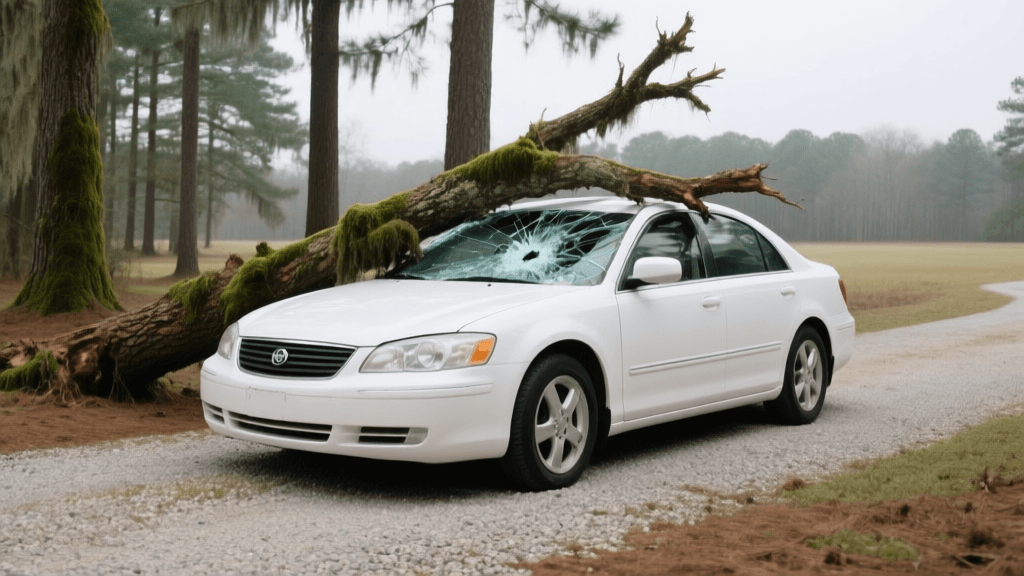
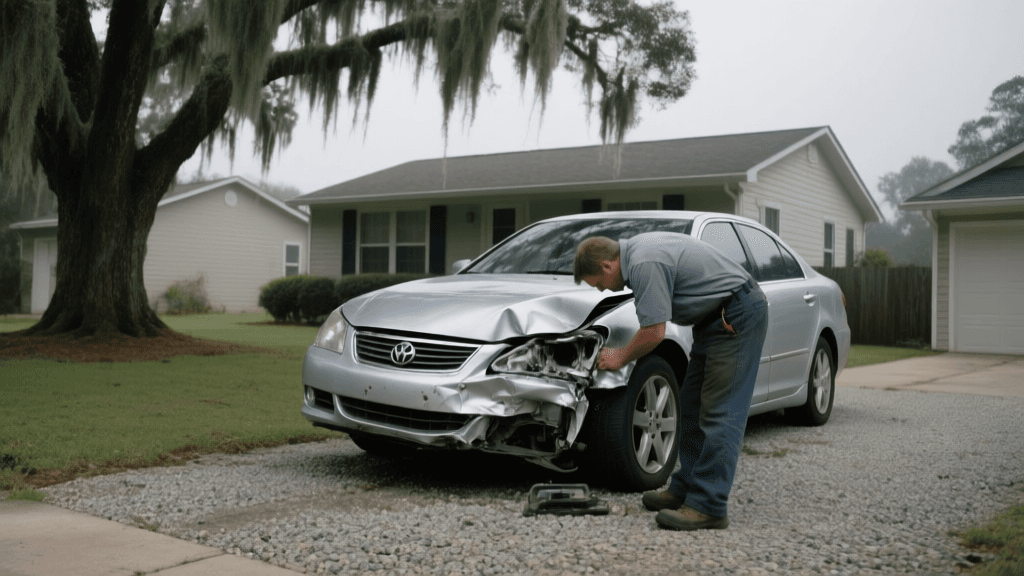
Think about the repair scenarios your deductible is meant to help with. A parking-lot scrape may cost less than a damaged bumper with sensors, while a collision that affects a wheel, suspension, or multiple body panels can be much more expensive. Ask a repair professional for an estimate when you have actual damage; do not assume every shop or vehicle will have the same price. Your policy may require an inspection or use an approved estimating process before repairs begin. For a Waycross driver who depends on a car to travel between work and family commitments, the time without a vehicle may also matter, so ask separately whether rental reimbursement is included.
Balance Premium Savings Against Cash on Hand
A higher deductible is useful only if you could pay it when a covered collision happens. Compare the premium difference between deductible options over a full year, then consider how long it would take for those savings to offset the extra amount you would owe after a claim. For instance, a modest annual premium reduction may take several years to equal a few hundred dollars of added deductible exposure. The calculation is not a prediction that you will or will not have a crash; it is a way to make the tradeoff clear. Keep deductible money accessible rather than counting on a credit card or postponing essential repairs.
Consider Vehicle Value Before Keeping Collision Coverage
Collision coverage is optional under many personal auto policies, although a lender or lease agreement may require it. If your vehicle is older, compare its current market value with the annual cost of collision coverage and the deductible you would have to pay. Insurers generally do not pay more than the vehicle’s covered value after a total loss, less the deductible and any applicable policy adjustments. A low-value car can therefore leave limited room between the possible payment and your out-of-pocket costs. Do not rely on the original purchase price or loan balance as a measure of present value; check current estimates and review the policy’s loss-settlement terms.
Local Driving and Repair Considerations Around Waycross
Waycross residents may drive through town for everyday errands and travel on highways or rural routes connecting communities such as Blackshear, Homerville, Nahunta, and Hoboken. A longer commute can mean more time on the road, but it does not by itself determine which deductible is best. Consider where the vehicle is driven, how often it is parked in public areas, and whether a car is essential for work or caregiving. Repair availability, parts, and scheduling can also affect how long a vehicle is out of service. Keep photos, maintenance records, and policy information handy, and contact the insurer promptly after a collision to learn the required claim steps.
A Practical Deductible Checkup
- Compare at least two deductible choices and record the annual premium difference for each one.
- Set aside enough accessible savings to cover the deductible without delaying necessary repairs.
- Check your vehicle’s current value and consider how a total-loss settlement could differ from its loan balance.
- Review collision coverage, rental reimbursement, exclusions, and claim procedures in the actual policy documents.
- Revisit the choice after buying a vehicle, changing how much you drive, or building a different emergency fund.

Next Steps for Choosing a Collision Deductible
Before changing your deductible, request comparable premium estimates that keep the rest of the coverage the same. Confirm whether the quoted amount applies to collision coverage, whether other deductibles differ, and when a change would take effect. Then compare the premium savings with the extra out-of-pocket cost you would face after a claim. Drivers in Waycross can also ask how the policy handles repair estimates, parts, total losses, and rental transportation. Read the declarations page and policy wording rather than choosing based on a single number in an advertisement. A well-matched deductible should be affordable after a claim and sensible for the value and use of the vehicle.
Compare Coverage Before You Decide
Review collision deductible options and policy details to find a balance between premium cost and the amount you could comfortably pay after a claim.
Get a Free Quote