What Is the Difference Between Comprehensive and Collision Coverage?
If your car is damaged, the first question is often whether the incident involved a crash or something else. Collision coverage generally applies when your vehicle hits another vehicle or object, or overturns. Comprehensive coverage generally applies to damage from events other than a collision, such as theft, hail, fire, falling objects, or contact with an animal. Neither coverage is the same as liability insurance, which can help pay for injuries or property damage you cause to others. For Waycross drivers, understanding this distinction can make it easier to assess a claim scenario and decide which protections fit the car, budget, and driving routine.
Why the Distinction Matters Around Waycross
Daily driving and parking expose a vehicle to more than traffic collisions. A car parked outdoors may face falling limbs during a storm, while a trip along a rural road can involve wildlife crossing unexpectedly. A backing mishap in a crowded lot, by contrast, is generally a collision-type event. These examples do not guarantee how a particular claim will be handled; the policy wording, facts, and insurer’s investigation matter. Waycross weather and the mix of town streets and rural routes make it useful to consider both categories rather than assuming one covers every kind of vehicle damage.
Collision Coverage: Crashes and Impact Damage
Collision coverage is designed for damage to your insured vehicle when it strikes another car or an object, or when it rolls over. For example, if you misjudge a turn near a parking space and scrape a post, collision may be the relevant coverage. It may also apply if another vehicle hits your car, depending on the circumstances and how the claim is handled. Collision coverage typically has a deductible, the amount you pay toward a covered repair before the insurer pays the remaining eligible amount, subject to policy limits and terms. Take photos, record the location and time, exchange information after a crash, and review your declarations page before deciding whether to file.
Comprehensive Coverage: Non-Collision Losses
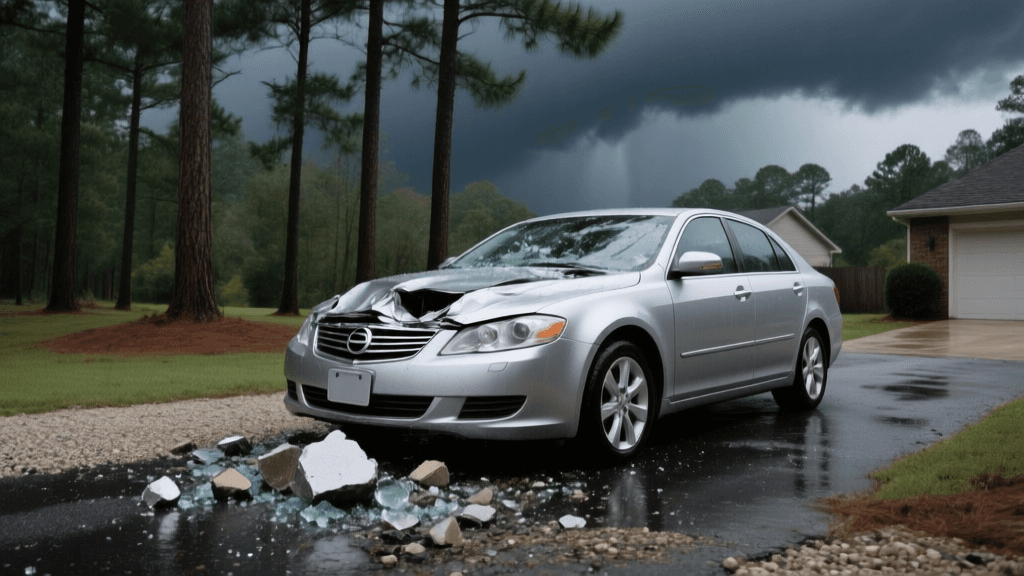
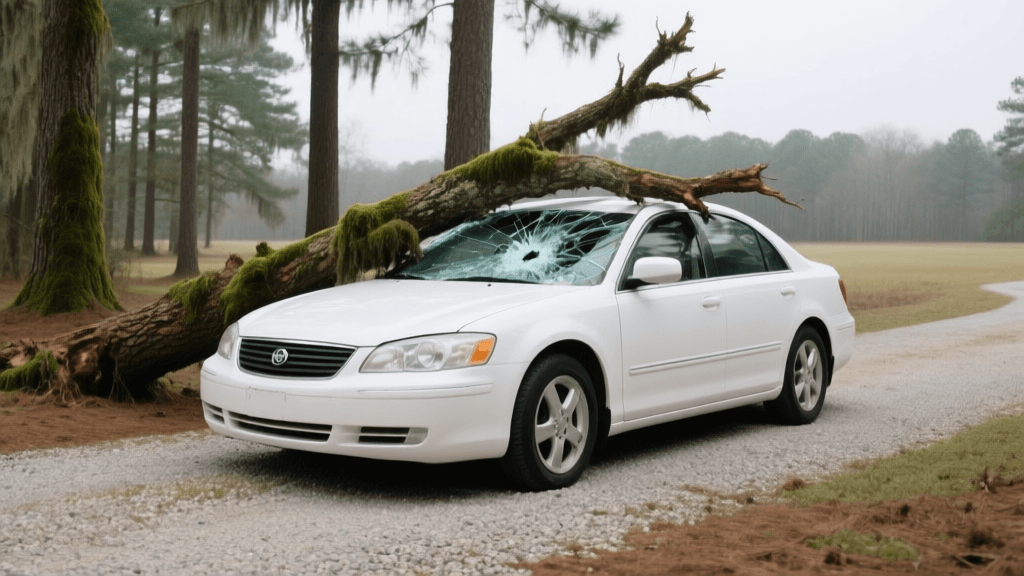
Comprehensive coverage generally addresses covered damage that does not result from a collision. Common examples include a vehicle stolen from a driveway, a cracked windshield caused by a falling branch, hail damage, or damage from a fire. A collision with an animal is commonly handled under comprehensive coverage, but confirm the specific policy terms rather than relying on a general rule. Comprehensive coverage also commonly has a deductible. If a storm damages a car parked at home in Waycross, document the damage and conditions, protect the vehicle from further harm if it is safe to do so, and contact the insurer for instructions about inspection and repairs.
How Deductibles Affect the Claim
A deductible is the portion of a covered loss you are responsible for paying. Suppose an eligible repair estimate is $1,600 and your applicable deductible is $500; the insurer would generally consider the remaining $1,100 before applying policy terms, limits, and any other adjustments. If the repair estimate is close to or below the deductible, a claim may produce little or no payment, though reporting requirements and claim consequences vary. Compare deductible choices with realistic repair costs and available savings. A lower premium paired with a higher deductible may be a poor fit if paying that amount after an unexpected loss would strain your household budget.
Local Examples for Waycross-Area Drivers
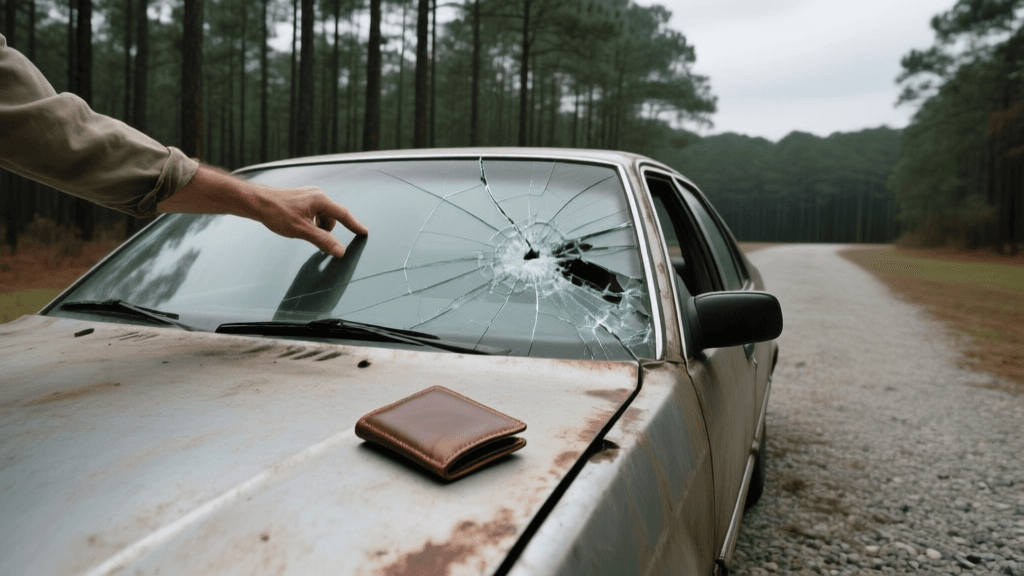
Picture a driver leaving a store in Waycross and finding a dent after another car struck the parked vehicle. That is a different claim situation from discovering a broken window and missing belongings after a theft; vehicle damage from theft may fall under comprehensive coverage, while personal belongings may require a separate policy. On a road outside town, an animal impact may point to comprehensive coverage, while swerving and striking a guardrail may point to collision coverage. Drivers in nearby Blackshear, Alma, Folkston, and Homerville can use the same basic distinction, but should check their own policy, reporting instructions, and any local conditions relevant to the incident.
What to Review Before Choosing Coverage
Start with the vehicle’s current value, how you use it, and whether you could comfortably pay for a major repair or replacement yourself. If a lender or lease agreement applies, it may require comprehensive and collision coverage; check the contract rather than assuming. Then compare the premium difference at several deductible levels and consider whether the savings justify taking on more out-of-pocket risk. Review exclusions, coverage limits, glass provisions, and any rules about approved repair facilities. A vehicle kept in a garage may face different exposures from one parked outdoors, but that alone does not determine whether coverage is worthwhile.
Key Takeaways
- Collision generally concerns impact with another vehicle or object, or a vehicle rollover; check the policy for exact terms.
- Comprehensive generally concerns covered non-collision events such as theft, hail, fire, falling objects, or animal damage.
- Each coverage may have its own deductible, so confirm both amounts on the declarations page.
- Compare the cost of coverage with vehicle value, lender requirements, repair costs, and the amount you could pay after a loss.
- Before filing, document damage and circumstances, keep receipts for reasonable protective steps, and follow the insurer’s claim instructions.

Practical Next Steps
To make a well-grounded choice, gather your current declarations page, vehicle details, and any loan or lease requirements. Compare comprehensive and collision premiums separately, then look at how different deductibles change the total cost and your potential payment after a claim. Ask for clear explanations of exclusions, glass claims, animal impacts, and how repair estimates are reviewed. If damage has already occurred, write down what happened while details are fresh, take clear photographs, and report the incident promptly according to the policy. These steps can help Waycross drivers compare options without treating either coverage as a substitute for careful review of the actual contract.
Compare Coverage With Your Needs in Mind
Review your vehicle, deductible comfort, and policy terms to decide whether comprehensive and collision coverage fit your situation.
Get a Free Quote