What a Comprehensive Deductible Means for Waycross Drivers
A comprehensive deductible is the amount you pay toward a covered vehicle loss that does not involve a collision, before your insurer pays the remaining covered amount. For example, if a covered storm event damages your car and repairs cost more than your deductible, you generally pay the deductible and the insurer assesses the rest under the policy. The exact claim outcome depends on coverage terms, exclusions, limits, and the damage assessment. In Waycross, where drivers may encounter fallen limbs, hail, animal strikes, or vehicle theft, choosing a deductible is a practical budgeting decision. This guide explains how to balance a manageable claim expense against the premium offered for different deductible options.
Why the Choice Matters in South Georgia
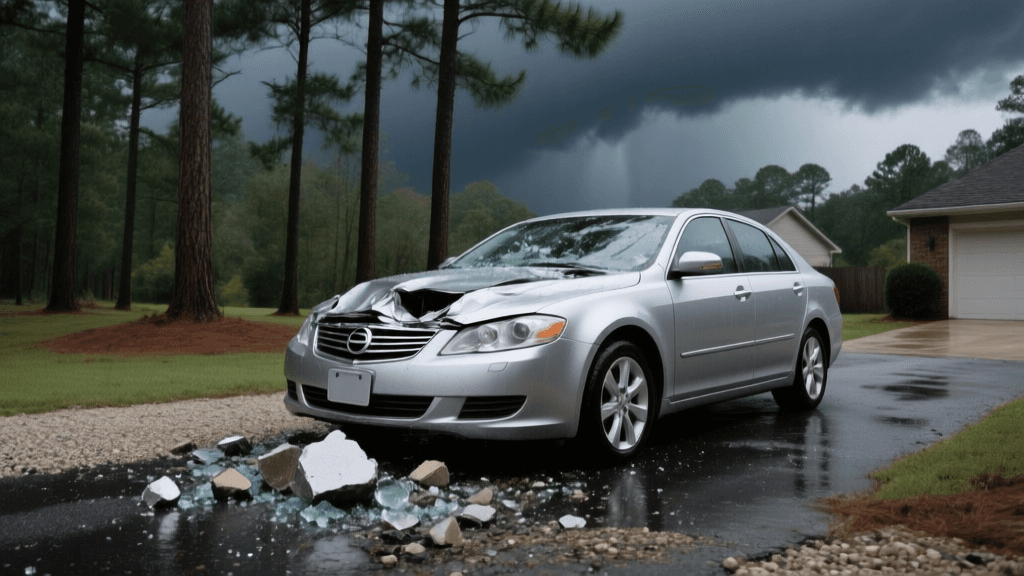
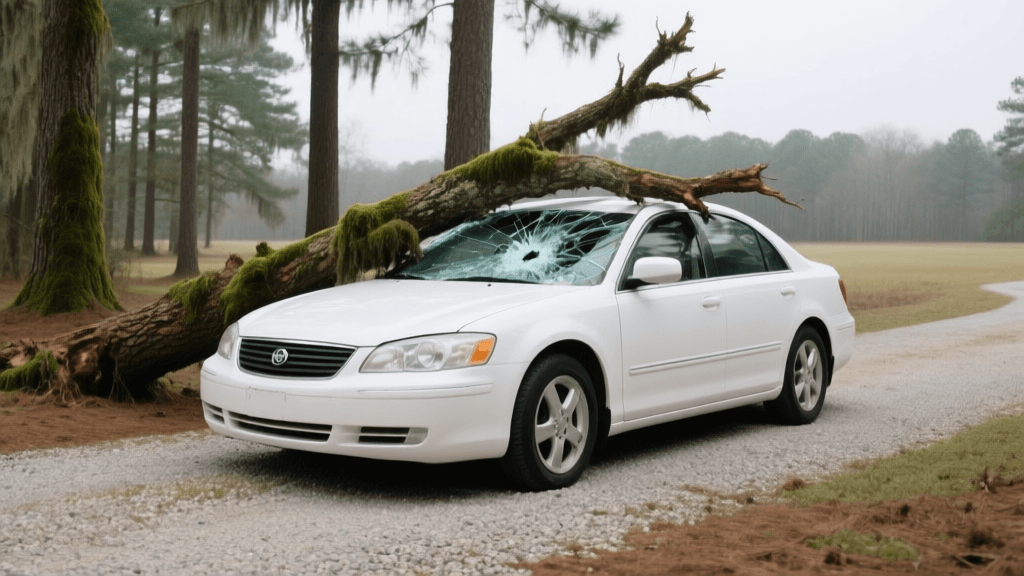
Comprehensive coverage is optional under Georgia law, though a lender or leasing company may require it while a vehicle is financed or leased. It can address certain losses from events such as theft, fire, hail, falling objects, and contact with an animal, subject to the policy. South Georgia weather can bring heavy rain, thunderstorms, and wind that may send branches or debris onto parked vehicles. Rural routes around Waycross can also mean more exposure to deer and other wildlife, particularly near dawn and dusk. These risks do not make a claim inevitable, but they are worth considering alongside where the vehicle is parked, how often it is driven, and whether the household could comfortably pay its selected deductible.
Start With Your Vehicle’s Current Value
The vehicle’s value helps show how much financial protection comprehensive coverage may provide. Check a reputable valuation source and compare it with the vehicle’s age, mileage, condition, and any loan balance. A deductible is not the only amount that matters: an insurer generally considers the covered loss and the vehicle’s actual cash value, subject to policy terms and applicable limits. If a car has modest market value, a high deductible may leave relatively little potential claim payment after a substantial loss. For a newer or more valuable vehicle, retaining comprehensive coverage may be more meaningful, but the right deductible still depends on your finances. Review value periodically, especially after a major change in mileage or condition.
Compare Deductible Options Against Real Claim Costs
When comparing quotes, look at the premium and deductible together rather than choosing the lowest monthly price automatically. Ask for the available comprehensive deductible options and the premium associated with each, then calculate the difference over a full year. If a higher deductible changes the premium, consider how many years of that difference it would take to equal the additional amount you would owe on a claim. This is a comparison, not a promise that one option will save money; future rates and claim circumstances can change. Also confirm whether comprehensive and collision have separate deductibles. A deductible that applies to collision damage may not be the same one used for a hail, theft, or animal-damage claim.
Set the Deductible Around Accessible Savings
A useful test is whether you could pay the deductible promptly without relying on a credit card, delaying essential bills, or borrowing. Focus on accessible emergency savings, not money reserved for rent, utilities, medical costs, or another near-term obligation. Suppose two policy choices differ by several hundred dollars in deductible: the higher option may have a different premium, but it also requires you to absorb more of a covered loss. Consider whether you could pay that larger amount after an unexpected storm or theft while still handling transportation and repair arrangements. If savings are limited or irregular, a lower deductible may feel more manageable even if its quoted premium is higher. Revisit the choice after building savings.
Account for Waycross-Area Non-Collision Risks
Think about your actual driving and parking patterns around Waycross rather than relying on broad assumptions about risk. A car regularly parked outdoors may face different exposure to hail and falling limbs than one kept in a garage or covered space. Drivers traveling rural roads near Blackshear, Alma, Folkston, or Homerville may want to consider animal encounters and the times they commute. People who park in public or work areas should also review theft-prevention habits and what their policy says about stolen vehicles and personal belongings. Comprehensive coverage for the vehicle does not automatically cover items left inside it. These local details can help you decide how much risk to retain yourself, while your insurer or policy documents can clarify what events are covered.
Use a Simple Decision Framework
Questions to Ask Before Choosing
- What is the vehicle worth today, and how does that compare with the deductible and any outstanding loan balance?
- Could I pay this deductible from available savings soon after a covered loss without missing essential expenses?
- How do the quoted annual premiums differ across deductible choices, and what tradeoff does each option create?
- Where is the vehicle usually parked, and do my routes or driving hours expose it to local weather or wildlife risks?
- Does a lender require comprehensive coverage, and have I checked the policy’s exclusions, limits, and separate deductibles?

What to Do Before Selecting or Changing Your Deductible
Before changing your deductible, gather the vehicle’s approximate value, your current declarations page, and the amount of emergency savings you can access. Request comparable premium figures for multiple comprehensive deductibles, making sure the coverage limits and other policy details remain consistent. Read the policy language for covered causes of loss, exclusions, claim procedures, and any rules that apply to glass or other specific damage. If the vehicle is financed, confirm requirements with the lender before removing or reducing coverage. Drivers in Waycross, Blackshear, Douglas, Jesup, and nearby communities can use the same framework while accounting for their own parking and travel patterns. A licensed insurance professional can explain policy wording, but the final choice should fit your budget and risk tolerance.
Compare Your Deductible Options
Review coverage terms and premium estimates side by side to find a comprehensive deductible that fits your vehicle and budget.
Get a Free Quote