What Comprehensive Coverage Means for Waycross Drivers
Comprehensive auto insurance helps pay to repair or replace your car after certain losses that are not caused by a collision with another vehicle or object. Depending on the policy, covered events may include theft, fire, hail, vandalism, falling tree limbs, and an animal striking the vehicle. For drivers in Waycross, Georgia, this can matter when a car is parked at home, outside a store, or near wooded roads and suffers damage without a crash. Comprehensive is optional for many owners who have paid off their vehicles, but a lender or leasing company may require it. This guide explains what to check before choosing coverage.
Why Non-Collision Losses Deserve Attention
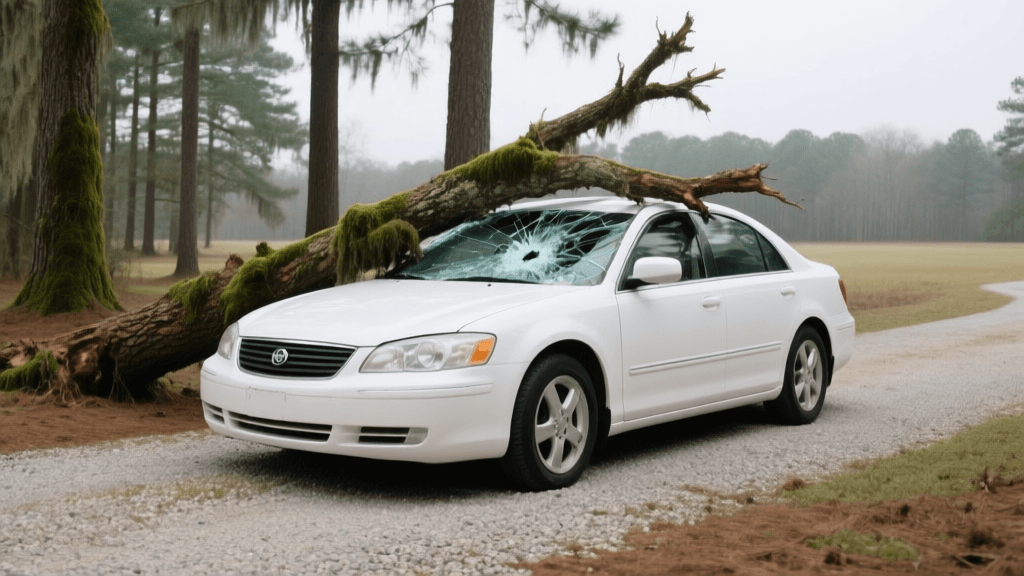
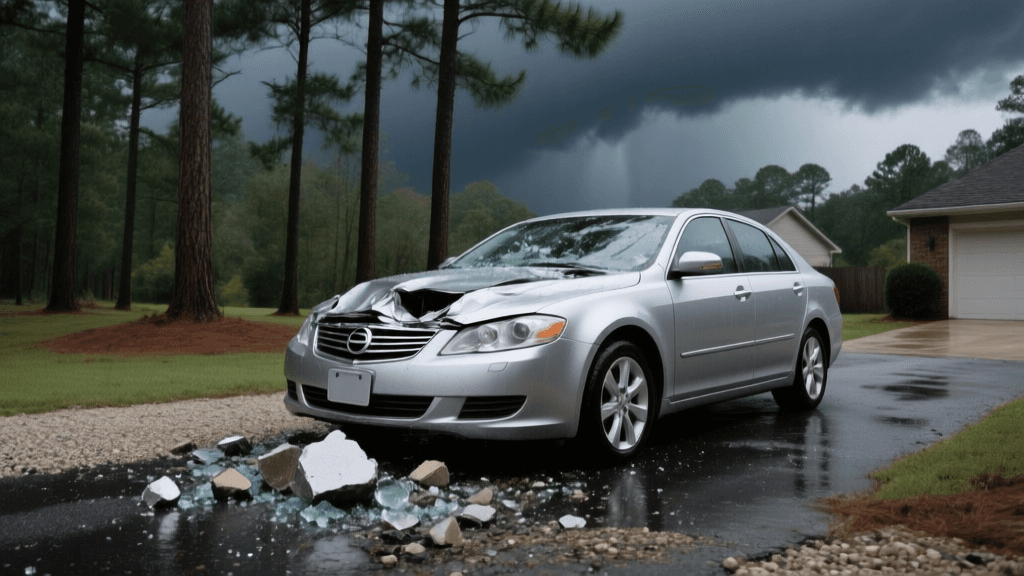
A vehicle can be damaged even when it is parked and nobody is driving. A storm may send a branch onto a windshield or roof, a fire may damage a car in a garage, or a thief may take the vehicle or remove equipment covered by the policy. In and around Waycross, changing weather, tree cover, and travel on rural roads can make these risks worth considering alongside crash protection. Comprehensive coverage does not prevent a loss, and it does not apply to every unexpected expense. The policy language determines which causes of damage qualify, so review the covered-loss list and claim requirements rather than relying on the coverage name alone.
Common Events Comprehensive Insurance May Cover
The exact covered events vary by insurer and policy, but comprehensive coverage commonly addresses theft, fire, vandalism, hail, wind-related damage, and objects that fall onto the vehicle. It may also cover damage from striking an animal, such as a deer, though policy definitions and claim details matter. For example, if a deer runs into the side of a car on a road outside Waycross, that may be treated differently from swerving to avoid the deer and hitting a tree. The latter is generally a collision-type loss. Take photos, note where and when the damage occurred, and contact the insurer promptly to learn what documentation is needed.
How the Comprehensive Deductible Works
A deductible is the amount you pay toward a covered claim before the insurer pays the remaining eligible repair cost, up to policy limits and subject to the terms. Suppose covered damage costs $1,800 to repair and your comprehensive deductible is $500; the potential payment would generally be based on the remaining $1,300, assuming the claim is approved and no other conditions apply. A higher deductible often lowers the premium, but it also means paying more yourself after a loss. Choose an amount you could manage without delaying essential repairs. Check whether glass damage has a separate deductible or special treatment, since that can differ from the standard comprehensive deductible.
Comprehensive Versus Collision Coverage
Comprehensive and collision coverage address different causes of vehicle damage. Comprehensive generally applies to specified non-collision events, while collision generally applies when your car hits another vehicle or object, or overturns. If a car is damaged by a falling limb while parked in Blackshear or Nahunta, comprehensive may be relevant. If the driver loses control and hits a fence, collision may apply instead. Neither type is the same as liability insurance, which can help pay for injuries or property damage the insured driver causes to others. Many financed vehicles carry both comprehensive and collision because a lender wants the car protected against a wider range of physical damage.
Exclusions and Limits to Check Before a Claim
Comprehensive coverage is not a promise to pay for every repair that happens outside a crash. Ordinary wear and tear, mechanical breakdown, rust, and damage that develops gradually are commonly excluded. Personal belongings stolen from a car may fall under a homeowners or renters policy rather than auto insurance, while custom equipment may need special coverage or a stated value. A policy may also impose limits, reporting duties, or rules for proving theft and damage. Read the declarations page and policy wording, and ask how aftermarket parts, glass, and vehicle contents are treated. If a loss occurs, avoid authorizing major repairs before documenting the damage and following the insurer’s claim instructions.
Local Considerations Around Waycross
Waycross drivers travel through a mix of town streets, wooded areas, and roads connecting communities such as Alma, Folkston, Homerville, Hoboken, and Pearson. The route and parking situation can influence which risks feel most relevant: a vehicle kept beneath mature trees may face a different exposure than one parked in a covered garage, while regular night driving on rural roads can make animal impacts a practical concern. These observations do not change policy terms, and they do not mean a particular claim will be covered. They can help you ask more focused questions when comparing deductibles, glass provisions, and covered causes of loss for a vehicle primarily driven in Ware County and nearby areas.
Key Points to Use When Comparing Policies
A Practical Coverage Checklist
- Confirm that theft, fire, weather damage, falling objects, vandalism, and animal impacts are addressed in the policy wording.
- Compare comprehensive deductibles and choose an amount that fits your emergency savings and repair budget.
- Ask whether glass claims have a separate deductible, repair option, or other special condition.
- Check how the policy treats custom accessories, personal belongings, and a vehicle that is financed or leased.
- Review the vehicle’s current value and decide whether the likely claim benefit is worth the premium and deductible.

Next Steps for Choosing Coverage
Start by checking your current declarations page for comprehensive coverage, its deductible, and any separate glass terms. If the car is financed or leased, confirm the lender’s requirements before making changes. Then compare the premium difference between deductible options and consider the vehicle’s value, how it is parked, and how much you could comfortably pay after a covered loss. When requesting quotes, use the same coverage limits and deductibles so the comparison is meaningful. Ask specific questions about animal impacts, theft of vehicle parts, storm damage, and claim documentation. Policy wording controls coverage, so get unclear answers explained before selecting a policy.
Review Your Vehicle’s Protection
Compare comprehensive options and deductibles to find coverage that fits your vehicle, budget, and driving routine.
Get a Free Quote