What Collision Coverage Means for Waycross Drivers
A collision can happen on a familiar trip through Waycross just as easily as on a long drive. Collision coverage is an optional part of many auto policies that may pay to repair your insured vehicle, or its actual cash value if it is declared a total loss, after it hits another vehicle or an object. The coverage generally applies whether you caused the crash or another driver did, though the insurer may later pursue recovery from the responsible party. Payment is subject to the policy limit, covered circumstances, and deductible. Knowing how those details work can help you judge whether collision coverage belongs in your budget.
Why Collision Coverage Matters Around Ware County
Drivers in Waycross share roads with local traffic, visitors, commercial vehicles, and people traveling between communities such as Blackshear, Homerville, and Nahunta. A low-speed parking-lot impact can damage a bumper, while a collision on a rural two-lane road may cause more extensive repairs. The cost of parts, labor, and modern safety sensors can make even a seemingly modest impact expensive to fix. Collision coverage is different from liability insurance: liability may pay for damage you cause to someone else, while collision is designed to address damage to your own insured vehicle. The exact outcome depends on the policy and claim investigation.
Crashes With Vehicles, Trees, and Other Objects
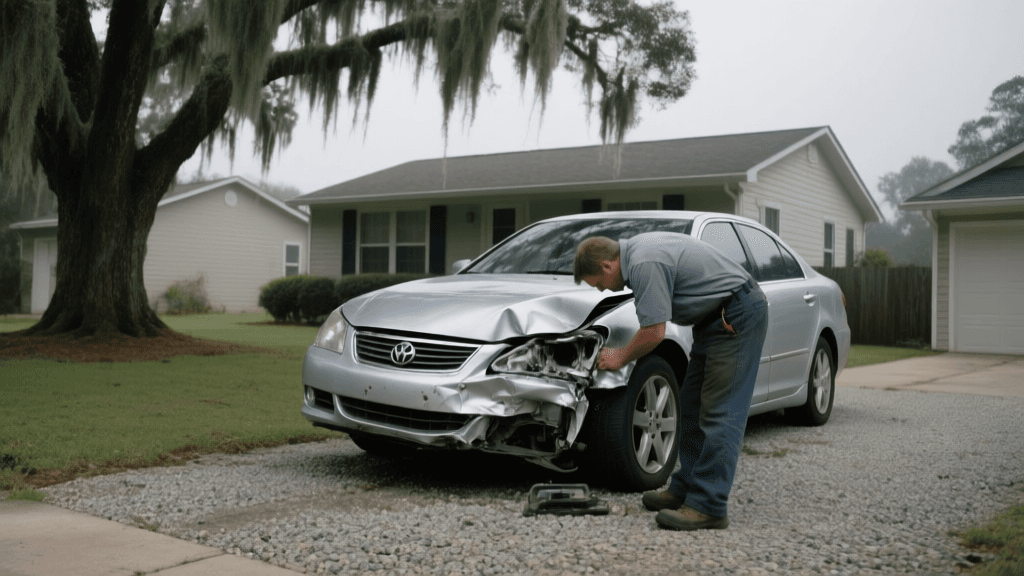
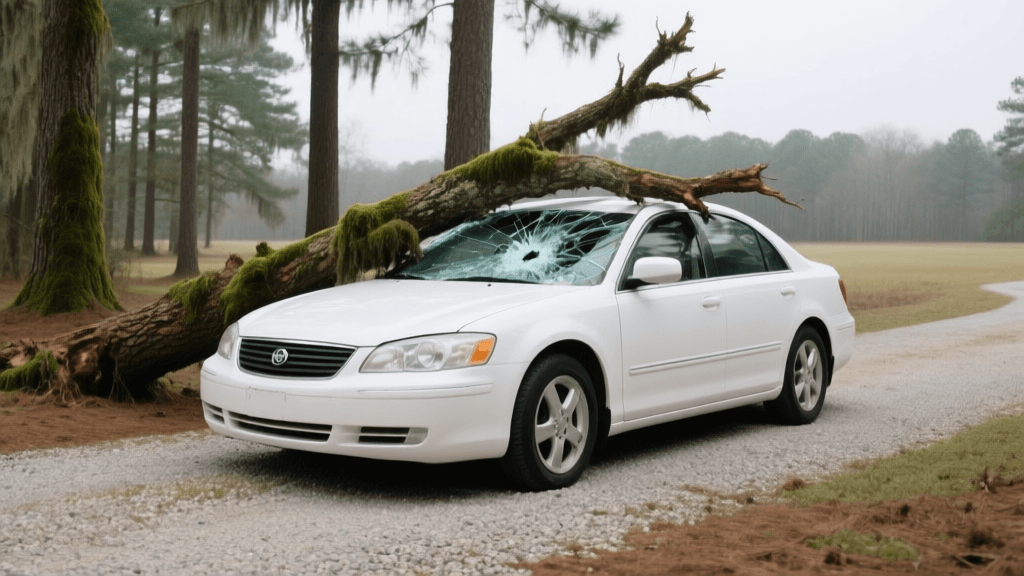
Collision coverage commonly applies when your car strikes another car, a guardrail, a tree, a fence, or another object, and it may also apply if your vehicle overturns. For example, imagine swerving to avoid an animal on a road near Waycross and hitting a roadside barrier. Damage to your car may be considered a collision claim, even if avoiding the animal was the reason for the maneuver. By contrast, damage from hail, falling branches, theft, or fire is typically considered under comprehensive coverage rather than collision. Policy definitions matter, so check the wording and ask how a specific event would be classified before assuming a loss is covered.
How Your Collision Deductible Affects a Claim
A deductible is the amount you agree to pay toward a covered repair before the insurer pays the remaining eligible amount. Suppose repairs after a crash total $3,200 and your collision deductible is $750. If the damage is covered and the estimate is accepted, the insurer may pay $2,450, leaving you responsible for the deductible. If repairs cost less than the deductible, filing may not produce a payment. A higher deductible can reduce the premium in some cases, but it also means you need to be prepared to pay more after a crash. Compare deductible choices against emergency savings, not just the monthly price.
What Happens When Someone Else Caused the Crash?
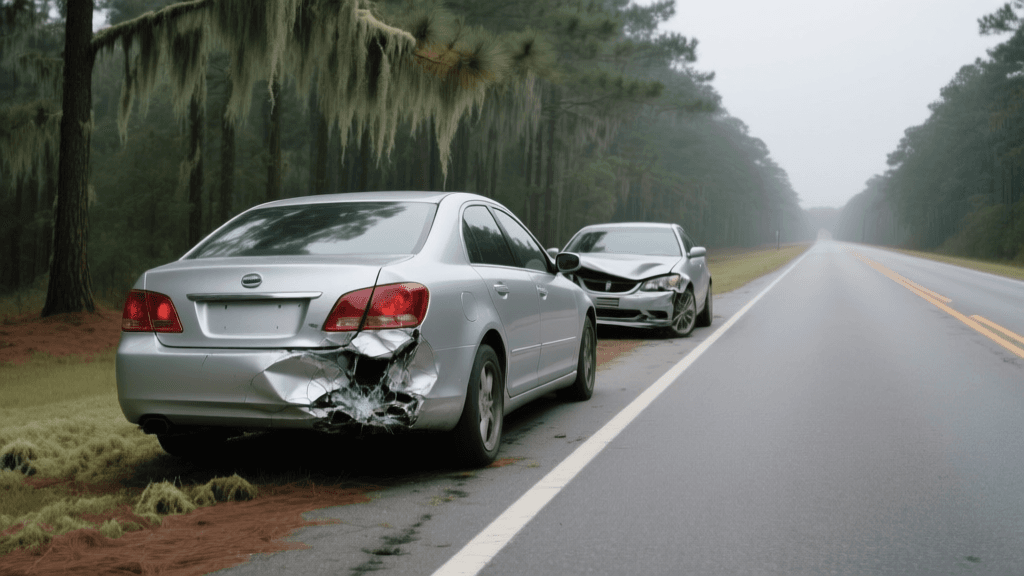
If another driver is responsible, you may be able to make a claim against that driver's property-damage liability coverage. However, determining fault, confirming coverage, and arranging repairs can take time, particularly if facts are disputed or the other driver's insurance limits are insufficient. If you have collision coverage, you may choose to file under your own policy, pay your deductible, and let your insurer handle the claim process. The insurer may seek reimbursement from the responsible party, and deductible recovery may be possible if money is recovered. Ask your insurer how a claim could affect your policy and what documentation it needs, such as photos, a police report, or repair estimates.
When a Lender May Require Collision Coverage
If you finance or lease a vehicle, the lender or leasing company may require collision and comprehensive coverage for as long as it has a financial interest in the vehicle. This protects the vehicle that secures the loan or lease, not just the driver. Requirements can include minimum coverage levels or limits on the deductible, so check your loan or lease agreement rather than guessing. If required coverage is dropped, the lender may purchase force-placed insurance and charge the cost to your account; that coverage may protect the lender's interest without providing the same protection for you. Contact the lender and insurer before changing coverage on a financed vehicle.
Making the Decision in Waycross and Nearby Communities
For a Waycross driver, the value of collision coverage depends on the vehicle's worth, the cost of coverage, the chosen deductible, and the ability to pay for repairs or replacement out of pocket. Someone with a newer vehicle or an outstanding loan may have strong reasons to retain it. An owner of an older car with a low market value may compare the annual premium and deductible with the vehicle's likely payout after a total loss. Consider how you use the car on trips to Alma, Folkston, Douglas, or Jesup, and whether a sudden repair bill would disrupt your finances. There is no universal cutoff; use current vehicle values and policy figures.
Questions to Ask Before Choosing Coverage
- What deductible applies to collision, and could you comfortably pay it after an accident?
- What is the vehicle's approximate actual cash value, and how would that compare with the annual premium?
- Does a loan or lease agreement require collision coverage or set a maximum deductible?
- How does the policy define a covered collision, and what documentation is needed to report a claim?
- Would you be able to repair or replace the vehicle without insurance payment if you removed collision coverage?

Practical Next Steps for Comparing Collision Coverage
Start by checking your declarations page for the collision limit and deductible, then review your loan or lease terms if the vehicle is financed. Get a realistic estimate of the car's current value and consider likely repair costs for its make and model. When comparing insurance options, request the same deductible and coverage details in each quote so the prices are meaningful side by side. Ask how a collision claim is handled, whether an approved repair network is available, and what happens if the car is considered a total loss. A quote is not a guarantee of coverage; the policy documents and claim facts determine the final decision.
Review Your Collision Coverage
Compare deductibles, vehicle value, and lender requirements to find an option that fits your driving and budget.
Get a Free Quote