Why Ask About Custom Parts Coverage Before You Need It?
A new stereo, custom wheels, or professionally installed accessories can make a vehicle feel more personal, but those upgrades may not be treated the same as factory equipment after a covered loss. In Waycross, drivers often rely on their vehicles for commuting, errands, and trips along US 1 or US 82, so damage or theft can disrupt more than a weekend project. Custom parts and equipment coverage may help insure eligible additions, subject to the policy’s terms and limits. The important first step is not assuming that every upgrade is automatically protected. This guide explains what to review, what records to keep, and what questions to ask before a claim arises.
How Standard Auto Coverage May Treat Aftermarket Equipment
Auto policies commonly distinguish between a vehicle’s original equipment and items added after purchase. Depending on the policy, comprehensive or collision coverage may apply to some custom equipment, but a special sublimit, deductible, or exclusion could affect payment. Liability coverage generally addresses injury or damage you cause to others; it does not insure your own stereo or wheels from theft or collision damage. Policy language and insurer rules differ, so there is no universal dollar amount that applies to every driver. If you have made upgrades, check the declarations and endorsements, then ask how the exact equipment is classified and whether its value needs to be listed separately.
Which Upgrades Might Qualify?
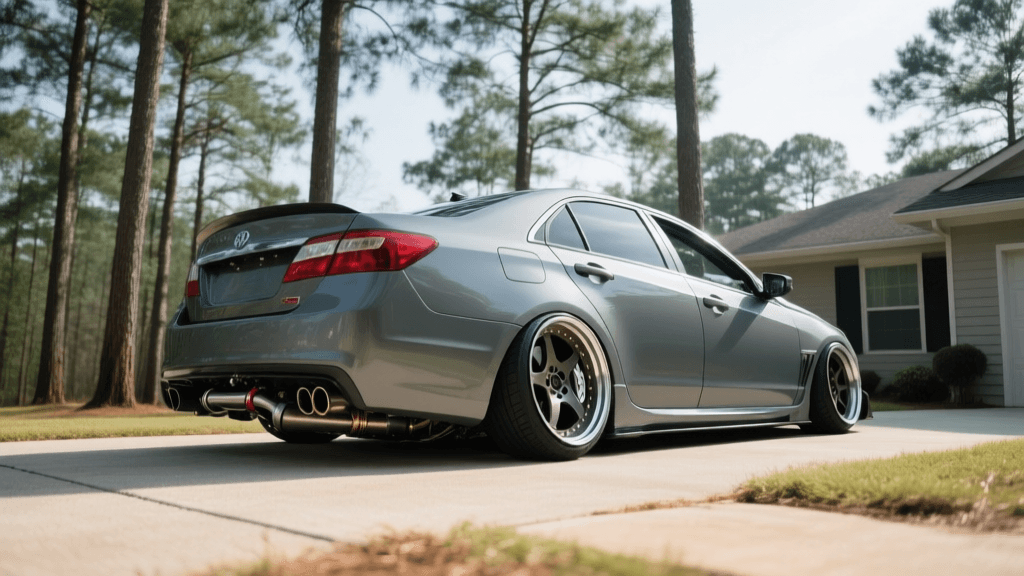
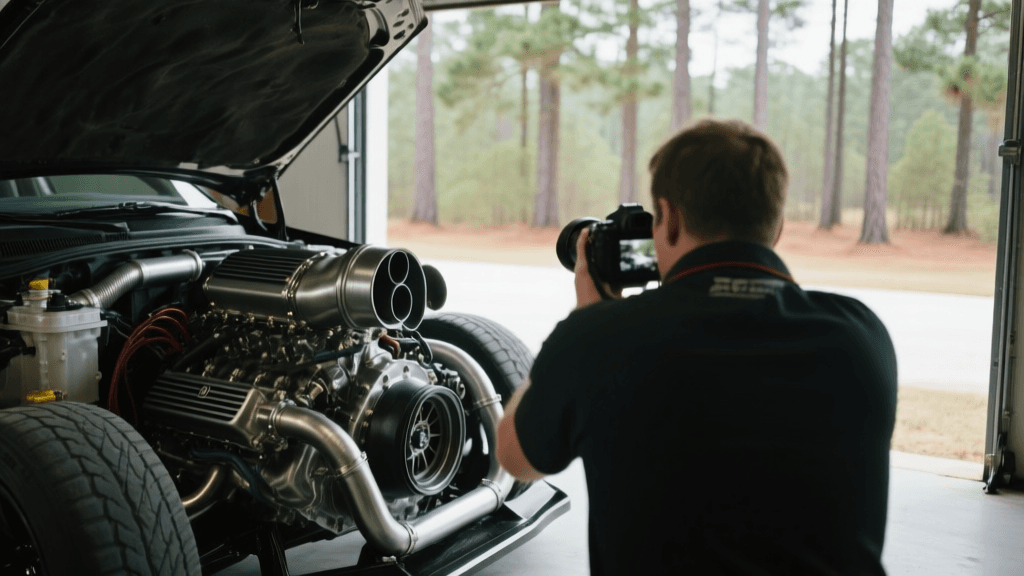
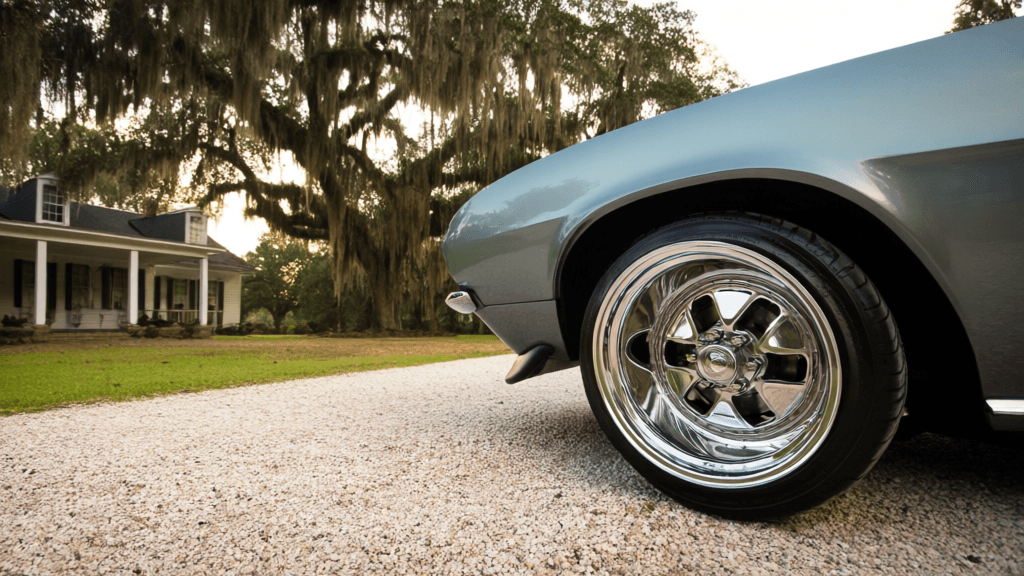
Eligible items may include aftermarket sound systems, custom wheels and tires, specialized lighting, installed electronics, or certain interior and exterior modifications. Qualification depends on the insurer’s definition of custom equipment, how the item is attached, and whether it changes the vehicle’s use or performance. A removable dash camera may be handled differently from a permanently installed amplifier, while a lift kit or engine modification may require additional underwriting review. Before buying or installing a costly part, write down the make, model, price, and installation details, then confirm eligibility. This is especially useful when a modification affects safety systems, vehicle height, or the way the car is driven.
Limits, Deductibles, and Valuation Matter
A policy can cover an item while still limiting how much it will pay. For example, if a theft damages a custom audio system, the applicable comprehensive deductible may reduce the amount available, and a separate equipment limit may cap payment below the system’s replacement cost. Insurers may also evaluate an item’s value differently from its original purchase price, taking depreciation or repairability into account. Ask whether the limit applies per item, per loss, or to all custom equipment combined. In Waycross, where a vehicle may be parked at home, at work, or near local shopping areas, knowing the deductible and claim requirements ahead of time helps set realistic expectations.
Build a Useful Upgrade Record
Good documentation makes it easier to explain what was installed and establish its value. Save itemized receipts for parts and labor, the installer’s contact details, product model numbers, and any warranty or appraisal documents. Take clear photographs of the equipment in the vehicle and keep copies somewhere other than the car, such as secure digital storage. Update the inventory when you add or remove equipment, and tell the insurer about significant changes rather than waiting until renewal or a claim. If you bought the vehicle with upgrades already installed, ask what proof is acceptable. Receipts do not guarantee a particular settlement, but organized records can help the insurer assess a covered loss.
Local Considerations for Waycross Drivers
Waycross drivers may travel between town, nearby communities, and rural roads across Ware County, making a reliable vehicle part of everyday life. Whether a car is parked near downtown, at home, or at a worksite, custom equipment can be exposed to theft, weather, or damage in a collision. Drivers in Blackshear, Hoboken, Nahunta, and other nearby communities should also review how their insurer handles equipment when the vehicle is away from its usual parking location. Local conditions do not automatically change policy wording, but they can shape the practical questions worth asking: Is installed equipment covered after theft? Must there be signs of forced entry? Are accessories covered while removed from the vehicle? Confirming these details helps avoid surprises.
Practical Takeaways Before Your Next Upgrade
A Simple Coverage Check
- List each upgrade with its purchase price, installation cost, brand, model, and installation date.
- Ask whether each item meets the policy definition of custom parts or equipment and whether it needs to be scheduled or endorsed.
- Confirm the equipment limit, comprehensive or collision deductible, valuation method, and any exclusions that may apply.
- Keep photographs, receipts, and installer records in secure storage, and update the inventory after future changes.
- Check whether modifications affecting performance, safety, or vehicle height require advance approval or additional review.

What to Do Next
Start by comparing your current vehicle inventory with the equipment described in your policy. Contact the insurer or a licensed insurance professional with specific details rather than asking only whether “custom parts” are covered. Request written clarification about eligible items, maximum limits, deductibles, theft conditions, and whether a change to the vehicle needs approval. If you are comparing policies, evaluate the equipment protection alongside comprehensive and collision coverage, not just the premium. Drivers in Waycross can make a more informed decision by reviewing these points before installing expensive upgrades and revisiting them whenever the vehicle’s value or configuration changes.
Review Your Vehicle’s Added Equipment
Gather your upgrade records and compare them with your policy’s equipment definitions, limits, and deductibles.
Get a Free Quote