Why Documentation Matters for Custom Equipment
If you add custom wheels, a sound system, a lift kit, a bed cover, or other aftermarket equipment, keep a clear record before you need to make a claim. Factory equipment and items added later may be treated differently under an auto policy, and coverage can depend on policy language, declared values, and available endorsements. For Waycross drivers, a little preparation can make it easier to explain what was on the vehicle before damage or theft. Good documentation does not guarantee reimbursement, but it helps establish what an item is, when it was installed, and what it cost. This guide covers a straightforward system for building that record.
Start With an Accurate Equipment Inventory
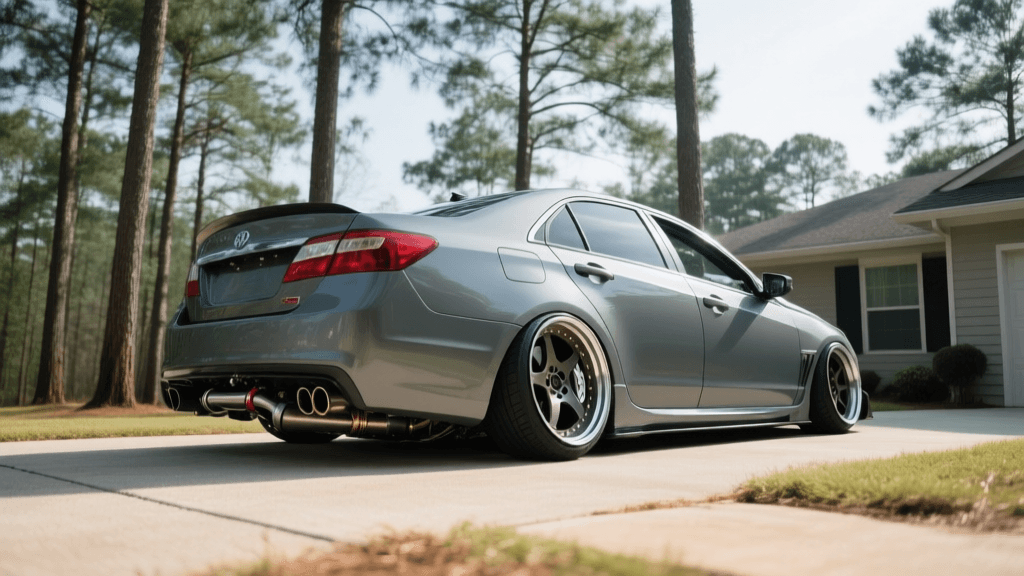
Create one inventory for the vehicle and update it each time you make a change. Include the item name, manufacturer, model, purchase date, purchase price, and where it is installed. Note whether the part replaced factory equipment or was added without removing anything. Be specific: “aftermarket 18-inch alloy wheels” is more useful than “new rims,” while a stereo entry can identify the receiver, speakers, amplifier, and subwoofer separately. Record the vehicle identification number and current odometer reading on the inventory, too. Store a copy digitally and keep another somewhere other than the vehicle, so the information is still available if the car or its contents are stolen.
Photograph the Equipment From Useful Angles
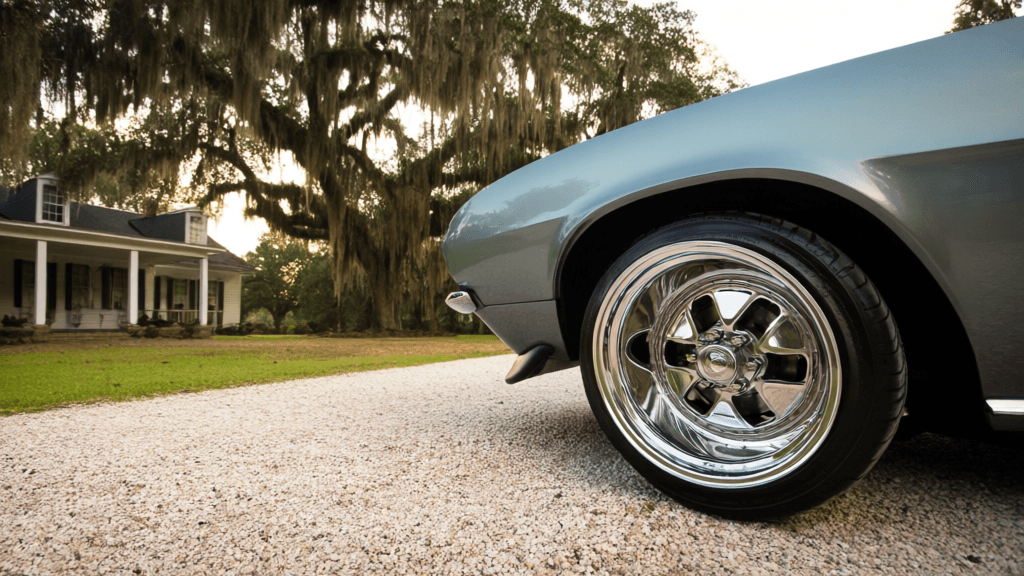
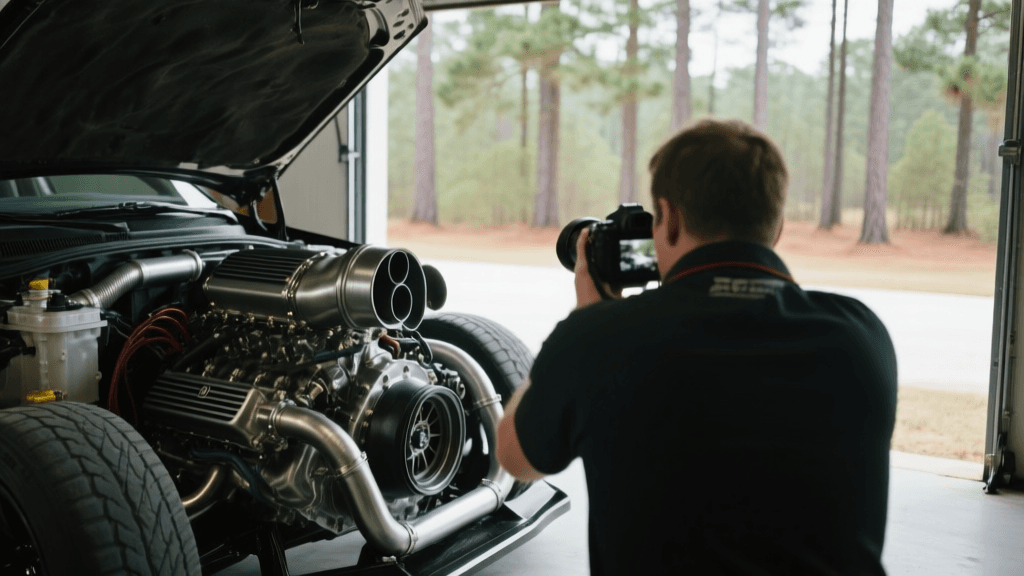
Take well-lit photographs soon after installation, before the vehicle is driven regularly or the equipment is exposed to avoidable wear. Capture a wide view showing the item in context, then closer views that reveal distinguishing details, brand marks, and any visible serial or model numbers. For wheels, photograph all sides if practical and include a view of the tire and wheel together. For a sound system, take pictures of components and installation locations before trim panels are replaced, if the installer permits it. Save original image files with dates intact and use descriptive filenames. A photo is supporting evidence, not proof of value by itself, so pair it with receipts and installation records.
Keep Receipts and Installation Records Together
Save itemized receipts that show what you bought, the purchase date, and the amount paid. If you bought equipment online, retain the order confirmation and final invoice; if you purchased it locally, ask for an itemized receipt rather than relying on a bank statement. Keep labor invoices, work orders, and written descriptions of installation work, especially for changes such as suspension modifications, engine upgrades, or professionally installed electronics. These records can help distinguish the cost of the equipment from labor and related parts. Scan paper documents and store them with your photos in a backed-up folder. If a receipt is missing, contact the seller or installer promptly to ask whether a duplicate can be provided.
Record Serial Numbers and Technical Details
Serial numbers and model identifiers can help distinguish your equipment from similar products and may be useful if an item is stolen. Record the number exactly as shown, taking a close-up photo as a backup. For parts without a serial number, write down the manufacturer, product name, size, finish, and any identifying features. Keep packaging labels or warranty cards when they include product details. For modifications that affect vehicle dimensions, performance, or safety systems, retain specifications and installer notes as well. Do not assume every part has a number or that the insurer will require one; the goal is to make your inventory precise enough to answer questions without guessing.
Tell the Insurer Before Assuming an Upgrade Is Covered
When arranging or updating auto insurance, describe each significant modification accurately and ask how the policy treats it. Explain what was changed, when it was installed, and its approximate cost, and provide documentation if requested. Ask whether the equipment is included in the policy’s physical-damage coverage, whether a custom-equipment endorsement or stated limit is available, and whether exclusions or restrictions apply. Coverage terms vary by insurer and policy, so do not rely on a general assumption that every aftermarket part is covered up to its purchase price. If an upgrade changes the vehicle’s value or use, disclose that information as part of the discussion. Keep notes about the conversation and any written confirmation.
Make the Process Work for Waycross Drivers
A documentation routine is especially useful when a vehicle is used for daily travel between Waycross and nearby communities such as Blackshear, Alma, Hoboken, or Nahunta. Equipment may be exposed to road debris, severe weather, or theft wherever the vehicle is parked, and records are easier to assemble before an incident than afterward. Keep digital copies accessible from a secure account, but avoid storing sensitive policy or vehicle details in a public folder. If a local shop performs work, ask for a written parts-and-labor description before leaving. Drivers who travel farther toward Douglas, Jesup, or Baxley can use the same inventory process; the key is having consistent records, not a particular storage location.
A Simple Custom-Equipment Record Checklist
- List each upgrade separately with its purchase date, price, brand, model, and location on the vehicle.
- Take dated overview and detail photographs, including close-ups of labels or serial numbers where available.
- Save itemized receipts, order confirmations, warranties, and installer invoices in a backed-up digital folder.
- Record the vehicle identification number and odometer reading, and update the file whenever equipment changes.
- Ask the insurer how modifications are treated, whether a special limit or endorsement is available, and what documentation is needed.

What to Do Before Your Next Policy Review
Set aside a short period to photograph the current vehicle, gather purchase and installation records, and compare the inventory against the equipment actually installed. Then contact an insurance professional or insurer to discuss how the policy applies and whether any coverage limits should be reviewed. Ask for explanations of relevant terms in writing, and confirm whether a change requires an endorsement or other policy update. If you are considering a future modification, check coverage implications before buying or installing it; some changes can affect eligibility, premiums, or policy conditions. Revisit the record after each upgrade and at renewal. This preparation helps Waycross drivers have a more informed conversation without assuming that documentation alone changes policy coverage.
Get Clear About Your Vehicle Upgrades
Organize your equipment records and ask an insurer how your custom additions may be addressed under the policy.
Get a Free Quote