Why Aftermarket Upgrades Need an Insurance Check
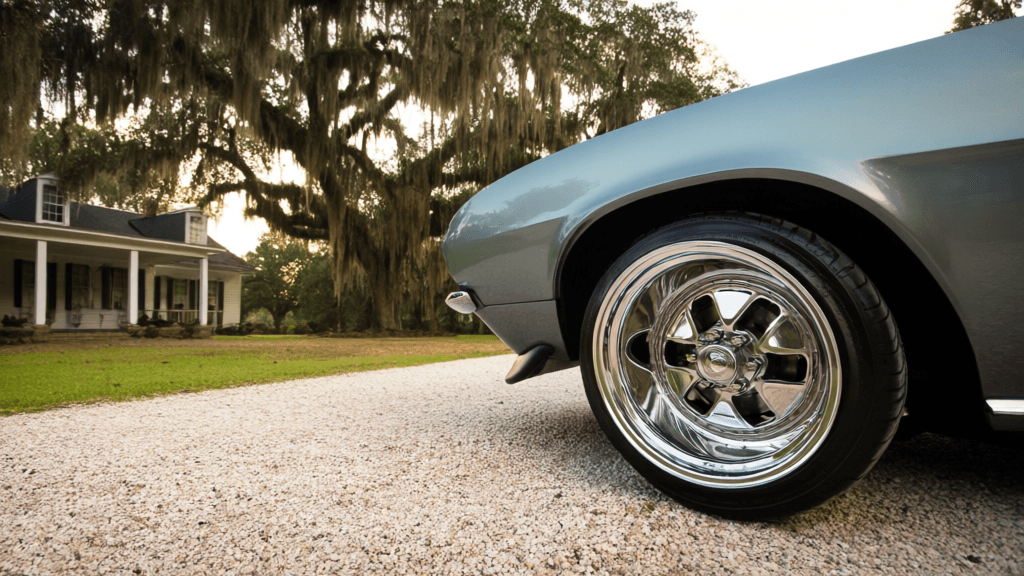
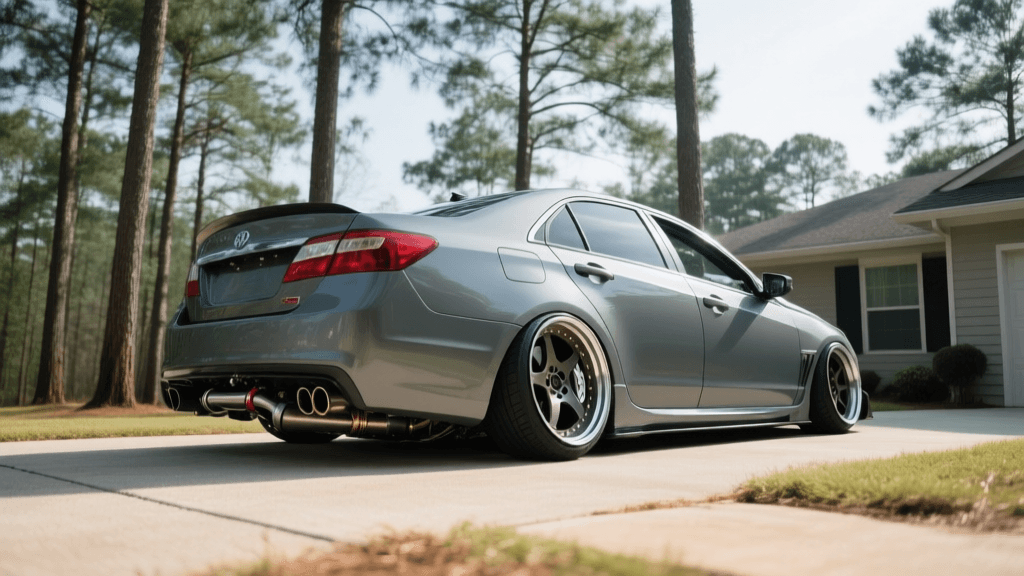
A set of custom wheels, a lifted suspension, upgraded audio equipment, or a performance part can make a car feel more personal, but it can also change how an insurer evaluates the vehicle. In Waycross, drivers may use their cars for daily commutes, weekend trips, and travel along US 1 or US 82, so it is worth checking coverage before an upgrade becomes part of everyday driving. A standard policy may cover factory-installed equipment differently from parts added later. That difference can matter after theft, a collision, or storm damage. This guide explains what to disclose, how to keep a useful upgrade inventory, and what to ask before assuming a modification is protected.
How Modifications Can Affect Value and Eligibility
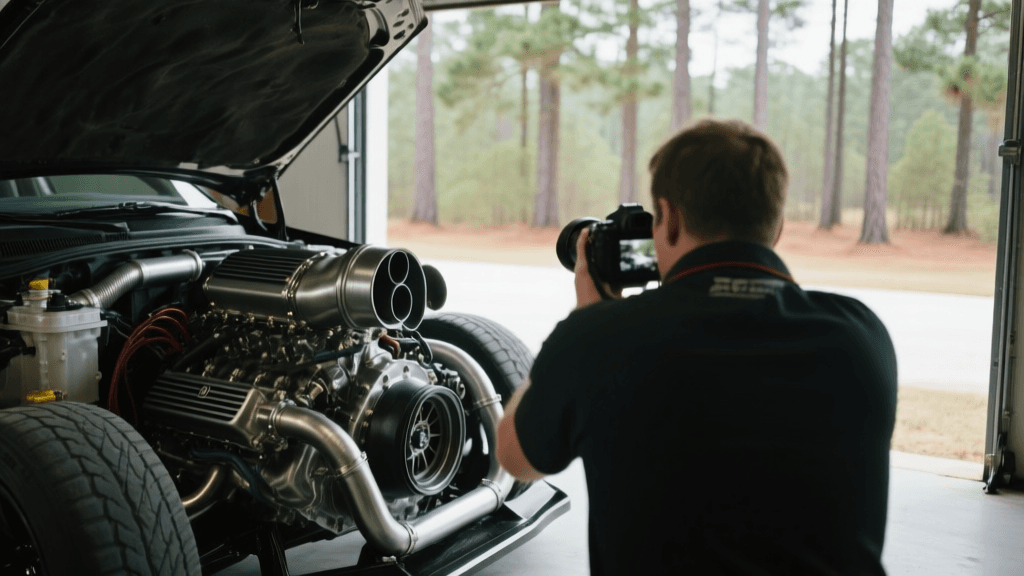
Insurance generally considers the vehicle’s covered value and the specific terms of the policy, not simply what an owner spent on parts and labor. Some policies include a limited amount for permanently installed custom equipment, while others require a separate endorsement or specialty coverage for higher-value additions. Modifications can also affect eligibility or pricing, particularly when they substantially increase horsepower, change the vehicle’s height, or alter its intended use. Insurers’ rules vary, so there is no reliable assumption that every upgrade is automatically included or automatically excluded. A Waycross driver who installs a turbocharger, for example, should contact the insurer before driving, explain the work, and ask how it affects both coverage and policy terms.
Start With a Complete Upgrade Inventory
An accurate inventory makes a coverage conversation clearer and can help support a claim. Record each added item, the installation date, the purchase price, and the installer’s name. Keep itemized receipts, invoices, product descriptions, and any warranty paperwork together with your policy documents. Photograph the parts in the vehicle and take wider photos that show where they are installed; store copies somewhere other than the car. Include upgrades that may be easy to overlook, such as a replacement exhaust, suspension components, a roof rack, custom paint, or a permanently installed sound system. If a part was purchased used or received as a gift, note its source and estimated value rather than leaving it off the list.
Ask Exactly What Custom Parts Coverage Includes
When contacting an insurer, ask whether the policy covers aftermarket equipment, what dollar limit applies, and whether that limit is shared across all accessories or applies separately to each item. Confirm whether coverage applies to theft, collision, comprehensive losses, or only certain claim types. Ask how the insurer determines a covered amount: replacement cost, depreciated value, or another method specified by the contract. Also clarify whether a deductible applies and whether a part must be permanently installed to qualify. These details are especially relevant if a Waycross vehicle has expensive wheels or electronics that could be removed, or if a repair shop has recently installed parts. Request the answer in writing and save any updated declarations or endorsements.
Disclose Changes Before They Create a Problem
Tell the insurer about a modification promptly, ideally before installation or before the modified car is driven. Share the vehicle identification details, a plain description of the work, approximate value, and supporting receipts if available. Be candid about performance changes, suspension lifts or drops, engine swaps, and changes to how the vehicle is used. An undisclosed modification does not automatically mean a claim will be denied, but inaccurate or incomplete information can create disputes about eligibility, premium, or the facts of a loss. If the first representative cannot answer a technical question, ask for review by someone familiar with modified vehicles. Keep notes of the date, the person contacted, and the instructions received.
Local Considerations for Waycross Drivers
Waycross drivers often travel between town, nearby communities such as Blackshear and Folkston, and longer routes across South Georgia. A vehicle used regularly on public roads may need a different insurance conversation than a show car that is trailered or driven only occasionally. Local heat, heavy rain, and summer storms can also make comprehensive coverage questions relevant for vehicle equipment, although the policy’s terms and exclusions control any claim. Georgia requires drivers to maintain the state’s minimum financial responsibility, but meeting that legal requirement does not itself insure custom parts or cover damage to the owner’s car. Ask how the full policy applies to your driving habits, where the vehicle is stored, and any planned events or travel.
A Practical Checklist Before and After an Upgrade
Keep These Steps in Your Records
- Before buying, describe the proposed modification to the insurer and ask whether it affects eligibility, rating, or required coverage.
- Save receipts, installation records, warranty details, and clear photos for every part, including equipment that is permanently installed.
- Ask for the custom-equipment limit, covered loss types, valuation method, deductible, and any installation or security requirements.
- After approval, review updated policy documents and keep them with your inventory; contact the insurer again when the vehicle or its use changes.

Next Steps: Compare Coverage Before You Need It
If your car already has upgrades, gather the inventory and policy documents before asking questions so you can describe the vehicle accurately. Compare more than the premium: check liability limits, collision and comprehensive coverage, custom-equipment protection, deductibles, exclusions, and any restrictions on modifications. If a proposed change is expensive, get the insurer’s position before paying for installation, and confirm whether the policy needs an endorsement to reflect the added value. Drivers in Waycross, Blackshear, Alma, and nearby communities can use the same process: provide complete information, request written confirmation, and revisit the policy when the vehicle changes. The goal is to understand what the contract covers, rather than relying on assumptions after a loss.
Review Your Coverage Before Your Next Upgrade
Gather your receipts and modification details, then compare policy terms and ask an insurer to confirm how your custom equipment is treated.
Get a Free Quote